Deco Experiment: A Strategic Guide to Art Deco Typography in Modern Design
In the crowded landscape of digital and print media, a typeface is rarely just a collection of letters. It is a strategic asset, a silent communicator of brand values, and a critical component of visual hierarchy. Deco Experiment represents a specific category of design tool: the bold, Art Deco-inspired display font reimagined for contemporary contexts. For professionals ranging from entrepreneurs to educators, understanding how to deploy a high-impact font like Deco Experiment is not merely an aesthetic choice; it is a decision that influences perception, engagement, and ultimately, business outcomes.
The Strategic Value of Geometric Typography
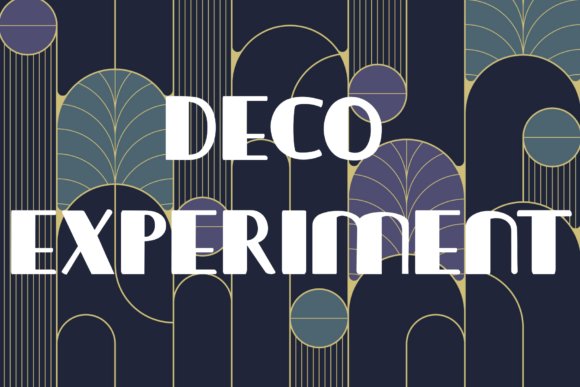
At its core, Deco Experiment is defined by its geometric shapes, dramatic curves, and high-contrast strokes. These features are not arbitrary; they are rooted in the visual language of the 1920s and 30s, an era associated with luxury, progress, and bold confidence. When you integrate this typeface into a project, you are borrowing from that historical context. This is particularly useful for brands aiming to position themselves as premium, sophisticated, or innovative. The "vintage-meets-modern flair" of the font allows it to bridge the gap between traditional elegance and cutting-edge design, making it a versatile tool for positioning strategies that require a balance of trustworthiness and novelty.
For decision-makers, the utility of Deco Experiment lies in its ability to create immediate visual impact. In environments where attention is scarce—such as social media feeds, crowded retail shelves, or dense editorial layouts—a font with high visual weight commands attention. However, strategic use requires restraint. The very qualities that make Deco Experiment effective for headlines—its boldness and decorative nature—make it unsuitable for long-form body text. The strategic planner must view this typeface as a specialized instrument, best used for key messages that need to resonate instantly.
Aligning Deco Experiment with Brand Goals
Before selecting Deco Experiment for a project, it is essential to align the font’s personality with your specific goals. This requires a thoughtful assessment of your target audience and the message you intend to convey.
Luxury Branding and Premium Positioning
If your objective is to establish a brand as a high-end provider of goods or services, Deco Experiment offers a direct path to that perception. The font’s association with the Art Deco movement—a period synonymous with the height of luxury and craftsmanship—can elevate a brand’s perceived value. Consider a boutique hotel, a high-end jewelry line, or a premium consulting firm. Using Deco Experiment on a logo, a website hero section, or a business card immediately signals exclusivity. It tells the audience that the brand values quality and aesthetics, which can justify a premium price point and attract a discerning clientele.
Event Marketing and Invitations
For event planners, marketers, and individuals creating invitations, the font serves a different but equally important purpose: setting the mood. A gala, a product launch, or a milestone celebration requires a visual identity that promises excitement and sophistication. Deco Experiment is perfect for these applications. Its dramatic curves and stylish letterforms generate anticipation and a sense of occasion. When used on an invitation or a promotional poster, it does more than convey information; it creates an emotional response, making the event feel more significant and desirable.
Editorial and Publishing
In the world of publishing, whether for a magazine, a blog, or a book cover, typography guides the reader’s eye and establishes the tone of the content. Deco Experiment can be a powerful tool for editorial layouts that aim for a retro or avant-garde aesthetic. It works exceptionally well for pull quotes, chapter titles, or feature headers. By using this font for key structural elements, a publisher can create a cohesive visual experience that enhances the narrative. It adds a layer of artistic intent, transforming a simple layout into a curated design piece that can differentiate a publication in a saturated market.
Practical Application and Implementation
Adopting Deco Experiment into your design workflow requires more than just installation. It demands a practical approach to ensure it enhances, rather than clutters, your communication.
Pairing with Complementary Fonts
A common pitfall is using a display font like Deco Experiment in isolation. Its high-contrast, decorative nature means it needs a grounding partner. The strategic approach is to pair it with a clean, highly legible sans-serif or a classic serif font for body text. For instance, combining the bold, geometric headlines of Deco Experiment with a neutral, readable font like Helvetica, Open Sans, or Garamond for paragraphs creates a balanced hierarchy. This ensures that while the headlines capture attention, the supporting content remains accessible and easy to consume, thereby improving the overall user experience and communication effectiveness.
Hierarchy and Visual Weight
Because Deco Experiment has significant visual weight, it should be reserved for the most important elements in your layout. Use it for primary headlines, subheadings, or call-to-action buttons where you want to draw the eye. Avoid using it for navigation menus, legal disclaimers, or any text that requires quick, effortless scanning. The goal is to use its impact strategically, creating focal points that guide the user’s journey through your content. This thoughtful application of hierarchy supports better decision-making for the user, leading them naturally toward the information or action you want them to take.
Contextual Considerations
Context is king. While Deco Experiment excels in many scenarios, it is not universally appropriate. It may clash with brands that aim for a minimalist, rustic, or highly technical aesthetic. For example, a startup focused on cutting-edge AI or a company selling organic, earth-toned products might find the font’s retro-luxury vibe incongruent with their core message. Before committing, test the font in the context of your existing brand assets. Does it complement your color palette? Does it align with your brand voice? A mismatch can confuse your audience and dilute your brand identity, turning a strategic asset into a liability.
Navigating Risks and Avoiding Common Pitfalls
The primary risk of using a distinctive font like Deco Experiment is overuse. When every element on a page screams for attention, nothing stands out. This can lead to a cluttered, overwhelming design that frustrates users and obscures your message. Another risk is inconsistency. If Deco Experiment is used sporadically or without a clear rationale, it can make a brand appear indecisive or unprofessional. Consistency in typography builds recognition and trust; inconsistency breeds confusion.
Furthermore, there is a risk of misalignment with audience expectations. If your target demographic is not receptive to Art Deco aesthetics—perhaps they associate it with a bygone era rather than timeless elegance—using Deco Experiment could alienate them. This underscores the importance of audience research. Understanding your audience’s preferences and perceptions is a non-negotiable step in the decision-making process. It ensures that your typographic choices support, rather than hinder, your strategic objectives.
Long-Term Value and Brand Cohesion
When used intentionally, Deco Experiment can contribute to long-term brand equity. A consistent, well-executed typographic system becomes a recognizable part of your brand’s identity. Over time, your audience may come to associate the elegant, bold style of Deco Experiment with your brand’s promise of quality and sophistication. This builds a cohesive brand experience across all touchpoints—from your website and social media to print materials and packaging. Cohesion reinforces trust, and trust is the foundation of lasting customer relationships.
Ultimately, Deco Experiment is more than a font; it is a tool for strategic communication. Its value is realized not in its mere application, but in its thoughtful integration into a broader design and business strategy. By understanding its strengths, respecting its limitations, and aligning it with clear goals, professionals can leverage this typeface to create more impactful, memorable, and effective communications. It is a decision that, when made with intention, can elevate your work and help you achieve better results.