Dylan: The Ivy Script Font Redefining Elegance in Modern Design
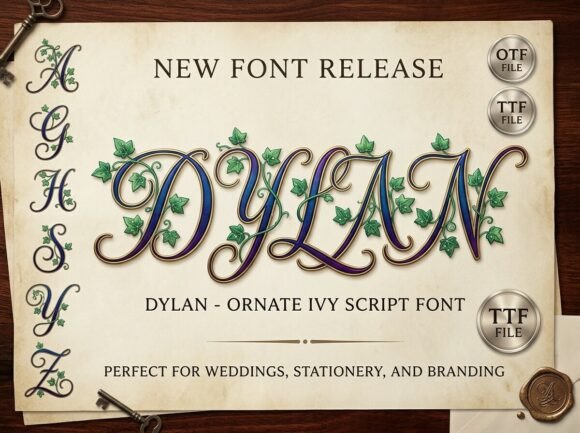
In the ever-evolving landscape of digital typography, a singular aesthetic has emerged to counter the coldness of minimalist sans-serifs: the resurgence of nature-inspired, organic detailing. Leading this specific charge is Dylan, an exquisite ornate ivy script font that has rapidly become a staple in the arsenals of creative professionals. Dylan is not merely a typeface; it is a synthesis of classical calligraphy and botanical illustration. Each character is meticulously entwined with hand-painted, vibrant green ivy vines, creating a visual language that symbolizes growth, resilience, and evergreen elegance.
For professionals ranging from wedding stationers to boutique brand strategists, Dylan offers a specific solution to a complex design challenge: how to convey luxury and tradition without appearing dated. This article explores the mechanics of Dylan, its place within current design trends, and the practical workflows that make it an invaluable asset for modern creators.
The Botanical Renaissance in Typography
To understand the value of Dylan, one must first look at the broader market trajectory. We are witnessing a "botanical renaissance" in consumer packaging and digital media. As consumers become increasingly disconnected from the natural world, there is a psychological pull toward designs that evoke the tranquility and complexity of nature. This is not simply about using green colors; it is about integrating organic structure into the very skeleton of the design.
Dylan fits perfectly into this narrative. Unlike standard decorative fonts that rely on geometric flourishes, Dylan utilizes biological forms. The ivy vines are not merely pasted onto the letters; they are designed to flow with the cursive strokes of the script. This creates a seamless integration of text and imagery, allowing designers to achieve a complex, layered look with a single asset. This efficiency is vital for freelancers and entrepreneurs who need to produce high-quality visuals without the time budget for extensive custom illustration.
Practical Applications: From Boutique Branding to Editorial Design
The utility of Dylan extends across various sectors, driven by a shift in consumer expectations regarding authenticity and artisanal quality. Here is how different professionals are leveraging this typeface:
1. Enchanting Wedding Stationery
The wedding industry is currently dominated by a desire for "bespoke" experiences. Couples are moving away from rigid, corporate layouts in favor of invitations that feel handcrafted. Dylan serves as the premier choice for this demographic. The intertwining ivy adds a texture that mimics letterpress or hand-painted watercolor invitations. When used for save-the-dates or menu cards, the font does the heavy lifting of the design, reducing the need for additional border graphics. This allows stationery designers to streamline their workflow while still delivering a premium product.
2. Boutique Manor Branding
For businesses rooted in hospitality, heritage, or luxury goods—such as vineyards, bed-and-breakfasts, or high-end tea companies—visual identity is paramount. Dylan provides an instant association with history and established roots. The ivy suggests a building that has stood for generations, covered in greenery, implying stability and organic growth. A logo utilizing Dylan communicates that the brand is established and trustworthy, appealing to consumers seeking heritage over mass production.
3. Artisanal Organic Packaging
As the clean beauty and organic food markets explode, packaging design must signal "natural ingredients" before the customer even reads the label. Dylan is exceptionally effective here. The hand-painted nature of the font suggests that the product inside is crafted by human hands rather than machines. It bridges the gap between rustic farmhouse aesthetics and modern luxury, making it suitable for everything from artisanal soaps to small-batch jams.
4. Whimsical Editorial Headlines
In editorial design, particularly for lifestyle blogs, magazines, and book covers, the headline must arrest attention immediately. Dylan offers a high-impact visual focal point. Because the font is so detailed, it works best at larger sizes where the ivy details can be appreciated. Editors use Dylan to set a mood of enchantment and whimsy, particularly for content dealing with gardening, fairy tales, fantasy fiction, or seasonal lifestyle guides.
Analyzing the "Dylan" Aesthetic: Why It Works
The success of Dylan lies in its psychological resonance. The design principle known as biophilia suggests that humans possess an innate tendency to seek connections with nature. By utilizing a font that features organic growth patterns (the ivy), designers trigger a positive emotional response in the viewer.
Furthermore, Dylan addresses a changing preference in legibility and hierarchy. In a sea of flat, vectorized text, a font with shadow and depth stands out. The ivy vines provide a natural "shadow" and texture that gives the typography a 3D quality. This adds a tactile dimension to digital screens, making the reading experience more immersive.
Integration into Modern Workflows
For the modern creative, a font is only as good as its compatibility with current technology. Dylan is designed to function seamlessly within standard industry software, including Adobe Creative Suite, Canva, and various web builders. However, to use it effectively, one must understand the nuances of its application.
- Hierarchy Management: Because Dylan is highly decorative, it should be reserved for headlines, sub-headers, or logo marks. Using it for body copy would result in visual clutter and poor legibility. Pairing Dylan with a clean, geometric sans-serif or a classic serif for body text creates a balanced visual hierarchy.
- Color Psychology: While the default "vibrant green" is iconic, advanced users often modify the color to suit specific palettes. In winter themes, the ivy might be rendered in frosty whites or deep burgundies. For autumnal branding, warm golds and oranges transform the font entirely. This versatility allows the font to remain relevant year-round.
- Spacing and Kerning: Due to the organic nature of the vines, manual kerning is often required when setting words in Dylan. The vines can sometimes overlap in unintended ways. Professionals must take the time to adjust letter spacing to ensure the ivy creates a cohesive canopy rather than a cluttered mess.
The Business Case for Nature-Inspired Assets
Investing in specialized assets like Dylan is a strategic business move for freelancers and agencies. The market is saturated with generic, free-to-use fonts. By utilizing a premium, highly stylized font, a designer instantly elevates the perceived value of their work. A client is more likely to pay a premium for a logo that features intricate, hand-painted elements than for one that uses a standard block font.
Moreover, the trend toward "slow design"—taking time to create thoughtful, enduring work—is reflected in the complexity of Dylan. It suggests care and attention to detail, attributes that any brand would want to project.
Future-Proofing Your Design Library
As we look toward future design trends, the appreciation for craftsmanship is only expected to grow. As AI-generated imagery becomes more prevalent, the demand for authentic, human-centric design elements—like hand-painted typefaces—will increase. Dylan represents a timeless aesthetic; ivy has been a symbol of fidelity and eternity since ancient times. Unlike fleeting design fads, the combination of calligraphy and botany is rooted in centuries of art history.
For the creative professional, adding Dylan to your toolkit is not just about following a trend; it is about equipping yourself with a versatile asset capable of conveying deep emotional narratives. Whether you are designing a menu for a countryside manor or a header for a wellness blog, Dylan provides the perfect blend of sophistication and natural charm.
Ultimately, Dylan is more than a collection of vector paths; it is a bridge between the digital and the natural. It invites the timeless beauty of a lush English garden into the sterile environment of the screen, offering a breath of fresh air to designers and audiences alike.