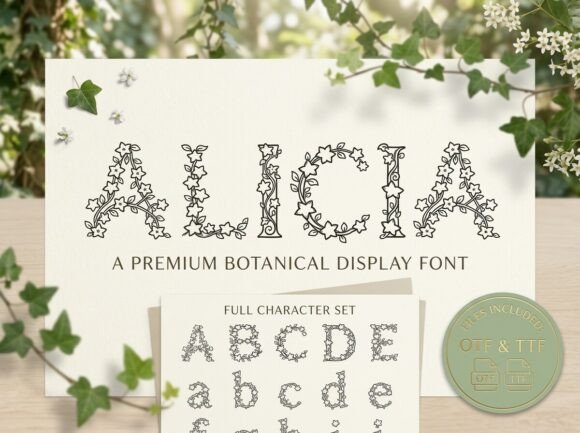
Alicia Botanical Serif: How Nature-Inspired Typography is Redefining Classic Elegance
In the world of design, typography is more than just letters on a page; it is the voice of the visual message. While trends come and go, the allure of the serif font—characterized by the small lines or strokes attached to the end of a larger stroke in a letter—remains timeless. However, modern designers are constantly seeking ways to bridge the gap between traditional formality and organic warmth. This is where the concept of the Alicia Botanical Serif enters the conversation, representing a sophisticated evolution in typeface design that merges high-contrast letterforms with the intricate beauty of the natural world.
For anyone looking to elevate their creative projects, understanding this style of typography offers a gateway to designs that feel both structured and alive. It is a trend that moves beyond simple decoration, integrating nature directly into the anatomy of the text itself.
Understanding the Anatomy of a Botanical Serif
To appreciate the innovation of a font like Alicia, one must first understand the basics of serif typography. Traditionally, serif fonts are divided into categories like Old Style, Transitional, and Didone. High-contrast serifs, often associated with luxury and fashion, feature a dramatic difference between the thick and thin strokes of the letters.
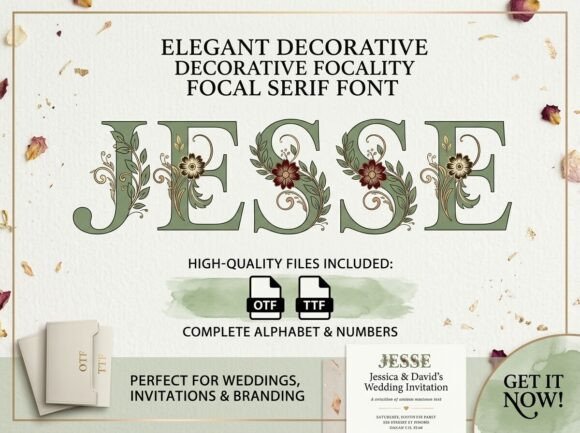
The Alicia collection takes this high-contrast structure and introduces a unique twist: botanical integration. Unlike standard fonts where a designer might simply place a floral illustration next to the text, botanical serifs weave greenery into the actual strokes of the letters. Imagine the stem of the letter "k" gently curving into a vine, or the serif of a "T" blooming into a leaf.
This design philosophy creates what is often described as a "growing effect." The text does not just sit on the surface; it appears to grow out of the canvas. This approach offers several distinct advantages:
- Organic Flow: The letters feel natural and less rigid, softening the professional edge of serif fonts.
- Visual Intrigue: It captures the viewer's attention, encouraging them to look closer at the details.
- Cohesion: It ensures that the typography and the decorative elements are one unified piece of art.
The Psychology of Nature in Design
Why has this style of typography become so significant in modern design? The answer lies in the psychology of biophilia—the innate human tendency to seek connections with nature. In an increasingly digital and sterile world, audiences crave visual elements that feel tangible and organic.
Alicia’s botanical design taps into this need. By incorporating the texture of leaves and stems into the letterforms, the font evokes feelings of calm, freshness, and vitality. This is particularly relevant for brands that want to communicate sustainability, wellness, or natural luxury. When a viewer sees a botanical serif, they subconsciously associate the text with growth, life, and elegance.
Breaking Away from "Floral Fonts"
It is important to clarify a common misunderstanding. There is a distinct difference between a standard "floral font" and a sophisticated botanical serif. Traditional floral fonts can sometimes appear dated or overly decorative, often resembling clip art attached to text. They can be difficult to read and lack professional structure.
The Alicia collection, however, prioritizes legibility and structure. The botanical elements are not an afterthought; they are part of the font's anatomy. This means the text remains readable while still conveying that lush, garden-inspired aesthetic. It strikes the perfect balance between whimsy and professionalism.
Practical Applications: Where to Use Alicia
The versatility of the Alicia Botanical Serif allows it to shine across various industries. Its ability to anchor layouts with professional structure while providing a soft, organic finish makes it a favorite among creative professionals. Here are some of the most effective ways to utilize this typography style.
1. Wedding Invitations and Stationery
The wedding industry is perhaps the most natural home for botanical serifs. Couples looking for a garden-inspired or rustic-chic theme often struggle to find fonts that feel romantic without being illegible. Alicia’s high-contrast elegance makes it perfect for names and headers on invitations. It pairs beautifully with watercolor backgrounds and kraft paper, creating an invitation suite that feels expensive and bespoke.
2. Organic Skincare and Beauty Branding
In the competitive market of organic skincare, packaging is everything. Consumers need to see that a product is natural and high-quality before they even smell it. Using a botanical serif for product labels communicates that the ingredients are sourced from nature, but the formula is backed by science and luxury. It suggests that the product is both pure and potent.
3. Florist Shop Identities
For florists, the logo and branding must reflect the core product: flowers. However, a logo made of actual flowers can become cluttered. By using the Alicia typeface, a florist can embed floral imagery directly into their name. This creates a clean, minimalist logo that still screams "botanical." It works wonderfully on business cards, van wraps, and social media watermarks.
4. Upscale Lifestyle Editorial Design
Magazines and blogs focusing on interior design, travel, or high-end living often use typography to set the mood. A botanical serif is an excellent choice for pull quotes or feature headers in editorials. It breaks up the monotony of body text and adds a layer of artistic sophistication to the layout. It signals to the reader that the content is curated, thoughtful, and aesthetically pleasing.
Integrating Botanical Typography into Modern Workflows
For designers and business owners, adopting the Alicia style requires a shift in thinking about how text and imagery interact. Here is a simple guide on how to implement this style effectively:
- Pairing with Sans-Serifs: Because the Alicia serif is detailed and high-contrast, it pairs best with clean, geometric sans-serif fonts for body text. This ensures the design doesn't become overwhelming. Let the botanical font be the star of the headlines.
- Color Palette Selection: To enhance the organic feel, stick to earth tones, muted greens, terracotta, or crisp whites. Avoid neon colors, which can clash with the natural aesthetic of the stems and serifs.
- White Space is Key: Because these fonts have intricate details, they need breathing room. Crowding a botanical serif into a tight corner will ruin the effect. Use generous margins to let the "vines" and "leaves" of the letters unfurl naturally.
The Future of Typography: Blending Digital and Organic
The rise of the Alicia Botanical Serif collection highlights a broader trend in the creative industry: the desire to humanize digital experiences. As we spend more time looking at screens, the "perfect" geometric fonts of the past decade are giving way to typefaces that mimic the imperfections and beauty of the real world.
This is not just a fleeting aesthetic choice; it is a response to how we want to feel when we interact with a brand. We want to feel grounded. We want to feel connected to nature. Typography like Alicia provides that connection through its very structure. It reminds us that even in a professional context, there is room for softness and growth.
Conclusion
The Alicia Botanical Serif collection represents the pinnacle of modern type design, where technical precision meets the wild beauty of nature. By integrating greenery directly into the anatomy of the stems and serifs, it creates a growing effect that is both unique and deeply resonant. Whether you are a bride designing your dream invitations, a business owner branding a luxury product, or a designer crafting an editorial masterpiece, this typography style offers a way to communicate elegance, nature, and sophistication simultaneously.
It redefines classic elegance, proving that true beauty lies in the harmony between structure and the organic world. By choosing a font like Alicia, you are not just choosing a style; you are choosing to tell a story of growth, beauty, and timeless design.