1983: A Retro Font for Authentic 80s Design
In the world of digital design, typography is a powerful tool for setting a mood and conveying a message. For those seeking to evoke the energy, optimism, and distinctive style of the 1980s, a generic sans-serif font often falls short. The 1983 retro font offers a specific solution, providing a direct pathway to that era's visual language. This typeface is not merely old-looking; it is a deliberate design choice that carries the cultural weight of its namesake year, a time of bold innovation in music, film, and technology.
Understanding the 1983 Font's Distinct Character
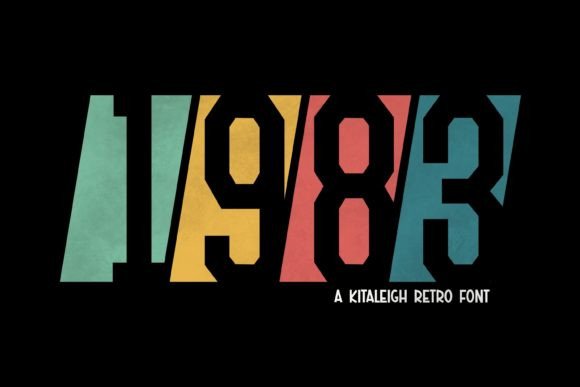
The 1983 font is characterized by its tilted, boxed letterforms. This design is more than an aesthetic quirk; it is a functional element that creates a sense of motion and dynamism. The slight angle suggests forward momentum, while the box framing each character provides a clean, contained structure. This combination results in a typeface that feels both playful and precise. It captures the essence of early digital graphics, video game title screens, and the vibrant branding of the decade without appearing cluttered or difficult to read. The font's charm lies in its ability to be immediately recognizable as "80s" while maintaining a level of sophistication suitable for modern applications.
Practical Applications for Creators and Professionals
The value of the 1983 font is most evident in its practical applications across various creative and professional fields. For graphic designers and marketers, it serves as a shortcut to establishing a specific thematic context. When creating promotional materials for an 80s-themed event, a retro product launch, or a nostalgic social media campaign, using 1983 instantly communicates the intended era to the audience. This eliminates ambiguity and strengthens the overall message, making the design work more efficient and effective.
For content creators, bloggers, and educators, this font can enhance engagement. A history blog discussing 1980s pop culture, a YouTube channel reviewing retro technology, or a teacher creating a lesson plan about the decade can use 1983 in headings or key visuals to create an immersive experience. It helps bridge the gap between the subject matter and the presentation, making the content feel more authentic and thoughtfully crafted. The font becomes a visual hook that draws in readers or viewers who have an affinity for that period.
Strengthening Brand Identity and Storytelling
Entrepreneurs and small business owners in niche markets can leverage the 1983 font to build a distinct brand identity. A business specializing in vintage clothing, retro gaming merchandise, or even a modern product with a "classic" appeal can use this typeface in its logo, packaging, or website headers. This strategic use of typography helps tell a brand story at a glance, appealing directly to a target demographic that values nostalgia and retro aesthetics. It transforms a simple business name into an evocative statement, differentiating it in a crowded marketplace.
Balancing Nostalgia with Modern Needs
While the 1983 font is a potent tool for retro design, its effectiveness depends on thoughtful implementation. Its strong stylistic identity means it is best used for headlines, logos, or accent text rather than for long paragraphs of body copy, where readability at smaller sizes is paramount. The font's boxed structure, while distinctive, requires sufficient spacing to avoid a cramped appearance. Designers should consider pairing it with simpler, more neutral fonts for supporting text to maintain a clean hierarchy and ensure the overall design remains balanced and accessible.
Furthermore, the font's association is deeply specific. It is ideally suited for projects that intentionally reference the 1980s. Using it in a context that calls for a different historical period or a futuristic aesthetic might create a dissonant experience for the audience. The key is to match the tool to the task. When the goal is to channel the specific vibe of 1983 and its surrounding era—think neon colors, geometric shapes, and a sense of digital optimism—this font becomes an invaluable asset. It solves the problem of sourcing authentic retro typography efficiently, saving creators time and effort in their design process.
Who Benefits Most from This Retro Typeface?
The creators who will find the most value in the 1983 font are those who work with themes of memory, history, and cultural retrospection. This includes professionals in entertainment marketing, event planning, and educational content development. Freelance graphic designers who frequently take on themed projects will also appreciate having a reliable, stylistically accurate font in their toolkit. Hobbyists and enthusiasts engaged in personal projects—like designing party invitations, creating fan art, or building a retro-themed personal blog—can achieve professional-looking results with relative ease.
Ultimately, the 1983 font is more than a decorative element. It is a functional design asset that communicates a clear message and evokes a specific emotional response. By choosing this typeface, creators make a deliberate decision to connect with an audience through shared cultural memory. It provides a tangible link to the past, allowing modern projects to tap into the enduring appeal of 1980s design in a way that feels authentic, engaging, and strategically sound. Its true power lies in its ability to make the abstract concept of "retro vibes" concrete and actionable for any visual project.