Dream Font: Infuse Playful Energy into Your Design
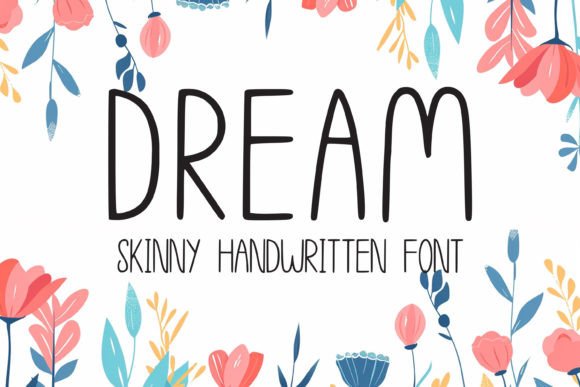
Finding the perfect typeface can transform a good design into a memorable one, especially when the project calls for a touch of whimsy and charm. Enter Dream, a font that embodies a playful and fun accent, making it an exceptional choice for designers seeking to inject personality and warmth into their work. Its unique character shapes and friendly vibe create an immediate visual connection, perfect for designs that aim to delight and engage.
The Role of Playful Typography in Modern Design
In today's saturated visual landscape, standing out requires more than just clean lines; it demands an emotional resonance. Playful fonts like Dream are powerful tools in a designer's arsenal for achieving this. They break the monotony of corporate neutrality, allowing a brand to express joy, creativity, and approachability. This is crucial in visual communication, where the goal is not just to inform but to connect. A well-chosen playful font can soften a message, make complex information more digestible, and significantly enhance user engagement.
Practical Applications: Where Dream Truly Shines
Dream's versatility allows it to excel across numerous creative projects. Its aesthetic is particularly effective in contexts where a personal, handcrafted, or joyful tone is desired.
- Branding and Logo Design: For brands targeting children, families, or creative audiences, Dream can form the core of a vibrant brand identity. It works beautifully for logos, taglines, and brand marks that need to feel inviting and imaginative.
- Marketing Materials & Social Media Graphics: Capture attention in a crowded feed or on a flyer. Dream is perfect for headlines, call-to-action buttons, and featured quotes in digital marketing campaigns, adding a burst of energy that encourages clicks and shares.
- Packaging and Merchandise: On packaging design, Dream can create an instant shelf appeal, suggesting the product inside is fun, artisanal, or innovative. Similarly, it shines on merchandise like t-shirts, tote bags, and stickers.
- Editorial and Web Design: Use it sparingly for chapter titles, pull quotes, or UI elements in editorial layouts and web design to create focal points and guide the reader's eye with a friendly nudge.
Integrating Playful Elements Effectively
While a font like Dream is a fantastic design asset, its effectiveness hinges on thoughtful application within the broader visual hierarchy. Here are key considerations for seamless integration:
- Balance is Key: Pair Dream with a clean, neutral sans-serif or serif font for body text. This contrast ensures readability while letting the playful font command attention where it matters most.
- Know Your Audience: Ensure the playful tone aligns with your audience's expectations. A children's brand can embrace it fully, while a more formal brand might use it only for specific, casual campaigns.
- Consider Scalability: Test how the font renders at various sizes, especially for logotype use or mobile UI design. Its details should remain clear and impactful from a billboard to a smartphone screen.
- Color Palette Harmony: The right color palette can amplify Dream's personality. Bright, saturated colors enhance its fun factor, while pastels can soften it for a more gentle, whimsical feel.
Ultimately, the most successful graphic design stems from intentional choices that serve both form and function. A resource like Dream is more than just a decorative element; it's a strategic tool for shaping perception and enhancing user experience. By selecting creative assets that align with your project's core message and audience, you elevate the entire design workflow, ensuring your work is not only seen but felt. Thoughtful typography and visual style are the bridges between a brand and its community, turning ordinary communication into lasting impressions.