Unlocking the Magic of Daisy Summer: Your Guide to the Season’s Most Charming Decorative Font
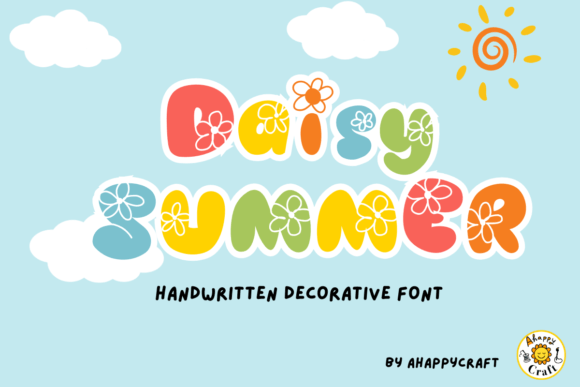
As the days grow longer and the world outside bursts into a symphony of color, our creative projects often seek to capture that same vibrant energy. We look for designs that feel warm, personal, and full of life. It is in this pursuit of seasonal charm that a particular typeface has risen to prominence, offering a perfect blend of elegance and whimsy. We are talking about Daisy Summer, a gorgeous decorative font that seems to have been designed specifically to bottle the essence of the sunniest days of the year.
Whether you are a seasoned graphic designer, a small business owner crafting your brand’s voice, or a hobbyist looking to add a special touch to personal projects, understanding the power of a font like Daisy Summer is crucial. It is more than just a collection of letters; it is a visual tool that communicates mood, personality, and style. In this comprehensive guide, we will explore what makes this font so special, why it is particularly relevant right now, and how you can integrate it into your creative toolkit to elevate any creation.
What Defines the Daisy Summer Aesthetic?
To truly appreciate a typeface, one must look beyond the letters themselves and understand the design philosophy behind them. Daisy Summer belongs to the decorative font category, but it distinguishes itself through a specific set of stylistic choices that evoke a sense of nostalgia and natural beauty. It strikes a delicate balance between being eye-catching and remaining legible—a challenge that many decorative fonts struggle to overcome.
The Anatomy of the Font
At its core, Daisy Summer is characterized by its flowing, cursive-like structure. However, unlike formal calligraphy, it possesses a relaxed, hand-lettered quality. The strokes often vary in weight, mimicking the natural pressure of a hand holding a brush or pen. This imperfection is intentional; it adds a human touch that digital designs often lack.
Key features typically include:
- Soft, Rounded Terminals: The ends of the letters are often rounded rather than sharp, giving the font a friendly and approachable feel.
- Playful Swashes: Many characters, particularly at the beginning or end of words, feature decorative tails or swashes that add movement and flair.
- Organic Flow: The letters connect in a way that feels natural, avoiding the rigid uniformity of standard sans-serif fonts.
This combination of elements makes the font feel incredibly warm. It is the typographic equivalent of a sun-drenched afternoon picnic or a walk through a blooming garden. It captures the "summer" vibe not just through its name, but through its visual DNA.
Why Seasonal Relevance Matters in Typography
One might ask why a font should be tied to a specific season. In the world of design, timing and context are everything. Visual trends shift with the calendar, and audiences are subconsciously attuned to seasonal cues. Using a font like Daisy Summer at the right time can significantly increase the impact of your message.
Capturing the Summer Spirit
Summer is universally associated with specific emotions: joy, relaxation, adventure, and warmth. When a brand or individual uses a typeface that visually represents these feelings, they create an immediate emotional connection with the viewer.
Imagine you are designing an invitation for a backyard barbecue. A stark, industrial font would feel out of place and cold. However, the flowing, organic nature of Daisy Summer immediately sets the mood. It tells the guest, "This event will be fun, relaxed, and beautiful." This psychological alignment between the message and the visual presentation is what makes design effective.
Standing Out in a Crowded Digital Space
In the modern digital landscape, attention is a scarce commodity. Social media feeds are endless scrolls of content. To stop a user from scrolling, your visual must be distinctive. Decorative fonts like Daisy Summer act as a hook. Because they are unique and stylistically rich, they draw the eye more effectively than standard system fonts like Arial or Times New Roman.
By incorporating a specialized font, you signal to your audience that you have put thought and care into your presentation. It elevates the perceived value of the content, whether it is a product for sale or a personal blog post.
Practical Applications: Where to Use Daisy Summer
The versatility of Daisy Summer is one of its greatest strengths. While it fits perfectly into the "summer" category, its applications span a wide range of industries and project types. Here, we will break down how different groups can leverage this font to enhance their work.
1. Branding and Marketing for Small Businesses
For businesses that deal in lifestyle, beauty, fashion, or food, branding is about storytelling. The font you choose for your logo, packaging, and advertising materials is a critical part of that story.
- Bakeries and Cafes: A font like Daisy Summer can evoke the freshness of ingredients and the artisanal quality of homemade goods. It works beautifully on menu headers or packaging labels.
- Boutique Clothing Stores: For brands selling summer dresses, swimwear, or floral accessories, this font captures the breezy, feminine aesthetic of the clothing line.
- Event Planning: Wedding planners or party organizers can use this font to suggest themes like "Rustic Garden," "Boho Chic," or "Tropical Luau."
2. Content Creation and Social Media
Content creators on platforms like Instagram, Pinterest, and TikTok rely heavily on visual identity. Daisy Summer is particularly effective for creating quote graphics, story headers, and promotional banners.
Because the font is so expressive, it can carry a design on its own with minimal background elements. A simple photo overlay with a quote written in Daisy Summer can transform a standard image into a piece of shareable art. It adds a layer of personality that helps creators build a recognizable brand voice.
3. Personal Projects and Stationery
Beyond professional use, this font is an incredible asset for personal creativity. The "fonts library" of a designer or hobbyist is their treasure chest, and Daisy Summer is a gem worth having.
Consider using it for:
- Scrapbooking: Adding captions to summer vacation photos with a font that matches the sunny vibe of the memories.
- Greeting Cards: Creating custom birthday cards or thank-you notes that feel handmade and thoughtful.
- Digital Planners: Sprucing up a digital planner or journal to make daily organization feel more enjoyable and aesthetically pleasing.
Best Practices for Using Decorative Fonts
While Daisy Summer is a powerful tool, it must be used with care. A common misunderstanding among beginners is that a beautiful font should be used for everything. However, the very features that make a decorative font special—its swashes, varying weights, and intricate details—can make it difficult to read in large blocks of text.
The Hierarchy of Typography
Good design relies on hierarchy. This means establishing a visual order that guides the viewer's eye from the most important information to the least important.
- Headlines and Titles: This is where Daisy Summer shines. Use it for large, impactful text that needs to grab attention. The size allows the details of the font to be appreciated without straining the eyes.
- Subheadlines: You can use it here as well, but consider using a simpler weight or reducing the size slightly.
- Body Text: Avoid using decorative fonts for body text. Long paragraphs require high legibility. For the main content of your writing, pair Daisy Summer with a clean, simple sans-serif or serif font (like Open Sans, Lato, or Garamond).
Color and Contrast
The personality of Daisy Summer changes depending on the colors you pair it with.
- Pastels (Pink, Mint, Lavender): These colors enhance the soft, romantic nature of the font.
- Bold Brights (Coral, Turquoise, Yellow): These amplify the "summer" energy, making the design pop and feel festive.
- Neutrals (White, Cream, Kraft): Placing the font on a neutral background allows the typography to be the hero of the design.
The Technical Side: Licensing and File Types
When adding a font like Daisy Summer to your library, it is important to understand the technical and legal aspects. Fonts are intellectual property, and respecting the creator's work is essential for professional integrity.
Understanding Font Licensing
Most high-quality fonts are not free for all uses. They come with licenses that dictate how you can use them.
- Desktop License: This allows you to install the font on your computer to create designs (logos, posters, etc.) that are then exported as images or PDFs.
- Web License: If you want to use the font on a website so that text renders live in the browser, you typically need a specific web license.
- E-Pub License: Required for embedding fonts in digital publications like eBooks.
Always check the license agreement provided by the font foundry or marketplace. Using a font without the proper license can lead to legal issues down the road. Fortunately, many marketplaces offer clear, straightforward licensing options that allow you to buy with confidence.
Conclusion: Elevating Your Creative Vision
In the vast world of typography, finding a font that resonates with your specific vision can feel like striking gold. Daisy Summer is more than just a seasonal trend; it is a versatile, expressive, and high-quality typeface that brings warmth and personality to any project it touches.
By understanding its aesthetic roots and applying it with technical precision—pairing it with readable body fonts and respecting hierarchy—you can unlock its full potential. Whether you are designing a wedding invitation, branding a summer product launch, or simply creating a beautiful graphic for your social media, this font serves as a reminder that design should be joyful.
As you build your fonts library this year, consider the impact of the tools you choose. Investing in a font like Daisy Summer is an investment in your ability to communicate visually with clarity and charm. It is an asset that, once acquired, will find its way into your work time and time again, proving that sometimes, the right lettering really is the sunniest asset of all.