Integrating Dellonia: A Strategic Approach to Professional Typography
In the landscape of professional design and branding, typography is rarely just about choosing a "pretty" font. It is a functional tool that communicates authority, intent, and structure before a single word is read. Dellonia, an elegant serif typeface characterized by its blend of classic architecture and modern minimalism, serves as a prime example of how type selection fits into the broader workflow of design and communication. Understanding how to implement a font like Dellonia effectively requires more than a glance at a preview; it demands an understanding of compatibility, hierarchy, and long-term brand consistency.
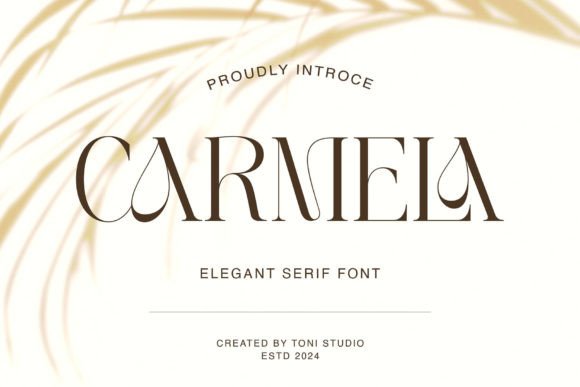
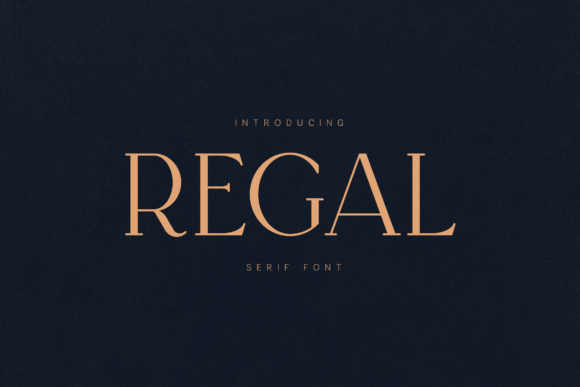
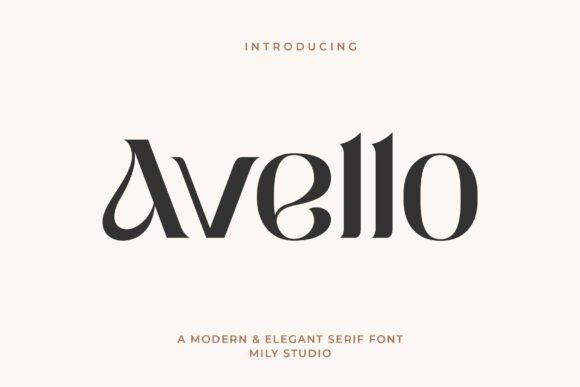
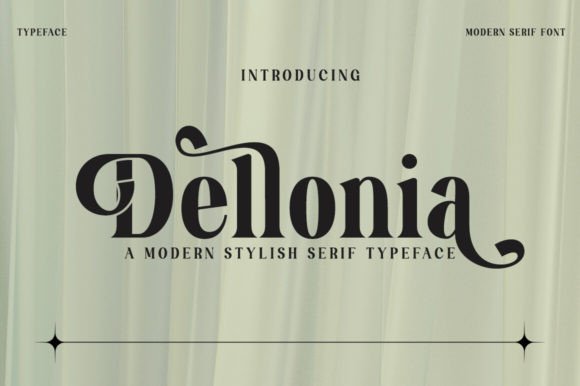
Dellonia distinguishes itself through a specific set of visual traits: clean lines, subtle detailing, and a distinct bold-thin contrast. Unlike transitional serifs that can feel dated or slab serifs that can feel heavy, Dellonia offers sharp serifs that suggest precision and luxury. For the professional or creator, this means the font is not a passive asset but an active component in establishing a visual identity. Whether you are a freelancer building a portfolio, a marketer designing a campaign, or an entrepreneur establishing a new brand, the process of integrating Dellonia begins long before the design phase—it starts with planning and scoping.
Strategic Planning and Pre-Implementation
Before introducing Dellonia into a project, it is essential to conduct a compatibility audit. Typography does not exist in a vacuum; it interacts with color palettes, imagery, and user interface elements. Because Dellonia features sharp serifs and high contrast, it pairs best with neutral or geometric sans-serif fonts for body text. This creates a necessary visual hierarchy. If you attempt to use a highly stylized script alongside Dellonia for supporting text, the result is often visual noise rather than harmony.
During the planning phase, consider the specific use cases where Dellonia will perform best. Its design profile makes it particularly effective for:
- Hero Sections and Headlines: The bold weight commands attention without aggressive letter spacing.
- Logo Design: The sharp serifs offer a distinctive mark that remains legible at smaller scales.
- Print Collateral: Business cards and letterheads benefit from the "luxurious" feel of the typeface, lending credibility to the business.
- Editorial Layouts: For magazines or blog headers, it provides a sophisticated entry point for readers.
By defining these parameters early, you prevent scope creep and ensure that the typeface is used purposefully rather than decoratively. This is a critical step for productivity-minded users who need to streamline their asset management.
Workflow Integration: The Design and Execution Phase
Once the planning is complete, the execution phase involves the technical application of the font. For web developers and designers, this is where workflow efficiency comes into play. Integrating Dellonia into a content management system (CMS) or a design tool like Figma or Adobe XD requires attention to file management and loading speeds.
Technical Implementation and Optimization
When adding Dellonia to a web project, it is vital to use the correct file formats (WOFF2 is the current standard for compression) to ensure fast page load times. A slow-loading font can negatively impact user experience and SEO rankings, regardless of how elegant the design looks. Implement font-display: swap in your CSS to ensure that content remains visible to the user while the font loads.
Furthermore, consider the hierarchy of your typography scale. Dellonia’s "bold-thin contrast" means that the difference between weights (e.g., Regular vs. Bold) is quite pronounced. You should adjust your line height and letter spacing accordingly. For headlines, slightly tighter tracking (letter spacing) often works well with this style of serif, creating a cohesive block of text. However, for smaller subheadings, you may need to open up the spacing to maintain readability.
Content Creation and Brand Consistency
For content creators, bloggers, and marketers, the integration of Dellonia extends to the writing and publishing process. When creating a style guide—a necessary document for any growing business or solo brand—you must document how Dellonia is to be used.
For example, a style guide might dictate that Dellonia is only used for H1 and H2 tags, while a sans-serif like Arial or Helvetica is used for paragraph text. This decision enforces consistency across all team members, from the copywriter to the web developer. Without this rule, a brand’s voice can become fragmented, with different departments interpreting the "professional and luxurious" aesthetic in conflicting ways.
Practical Application Across Different Roles
The utility of a typeface like Dellonia varies depending on the user's specific workflow and role. It is not a one-size-fits-all solution, but rather a specialized tool within a larger kit.
For the Entrepreneur and Small Business Owner
When building a brand from the ground up, every decision signals your market position. Using Dellonia for your primary logo and marketing materials signals that your business values tradition but operates with modern efficiency. The implementation process here involves selecting the font early in the brand identity phase and applying it to your "minimum viable brand" assets—business cards, website headers, and social media graphics.
A practical tip for small business owners is to create templates. If you use Dellonia for your Instagram quote cards or LinkedIn banners, create a master template in Canva or Photoshop. This removes the decision fatigue of re-aligning text every time you need to post content, allowing you to focus on the message rather than the mechanics.
For Educators and Publishers
In the publishing world, readability is paramount. While Dellonia is elegant, serif fonts can sometimes pose challenges for long-form body text on digital screens due to lower resolution rendering compared to print. Therefore, educators and publishers should implement a "hybrid" workflow. Use Dellonia for chapter titles, pull quotes, and cover art to establish the academic or authoritative tone. However, switch to a highly legible serif or sans-serif for the main curriculum text. This balances the aesthetic desire for a professional look with the functional requirement of student comprehension.
For Freelancers and Creatives
Freelancers often struggle with presenting a cohesive portfolio. If you are a photographer, writer, or consultant, your portfolio site is your storefront. Implementing Dellonia as the primary display font can unify disparate projects under a single, professional umbrella. The sharp serifs act as a consistent thread, making a collection of varied work feel curated and intentional.
Long-Term Maintenance and Quality Control
Implementing a font is not a "set it and forget it" task. Long-term use requires periodic review to ensure the typography remains effective and technically sound.
One major factor is cross-browser and cross-device testing. A font that looks sharp on a high-resolution MacBook screen may render differently on an older Android device or a Windows machine with different font smoothing settings. Regularly testing your site or materials on various devices ensures that the "clean lines" of Dellonia do not become jagged or blurry for a segment of your audience.
Additionally, as your brand evolves, you may need to expand your font family. If you started with Dellonia Regular and Bold, you might eventually need an Italic or a Light weight for specific subheadings. Ensure that your licensing covers these variations. Keeping an organized asset library—clearly labeling font files and weights—prevents confusion during handoffs to new team members or external agencies.
Conclusion: The Role of Typography in Professional Output
Typography is a silent ambassador of your brand. Dellonia, with its blend of modern geometry and classic elegance, offers a robust foundation for professionals aiming to project confidence and clarity. However, the value of the font is fully realized only through a structured workflow: planning the visual hierarchy, technically optimizing the implementation, maintaining brand consistency, and conducting regular quality control.
By treating Dellonia not just as a decorative element but as a functional component of your communication strategy, you ensure that your visual output is as professional and organized as the work you produce. Whether you are drafting a proposal, launching a website, or designing a logo, the intentional use of typography is what separates amateur attempts from professional executions.