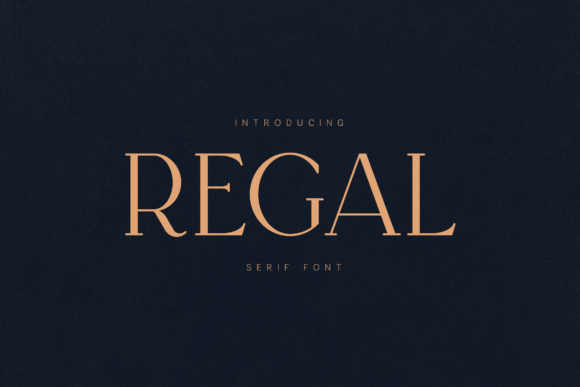
Understanding Regal: The Serif Font Defining Modern Luxury Design
In the world of typography, fonts are more than just letters on a page; they are the voice of a brand, the tone of a story, and the unspoken first impression of a design. Among the vast library of typefaces available to designers today, one category consistently stands for elegance, authority, and timeless sophistication: the serif font. Within this classic family, a new breed of typeface has emerged, one that honors tradition while embracing the clean, minimalistic demands of the modern era. This is the story of Regal, a sophisticated serif font crafted specifically for the landscape of contemporary luxury.
What Exactly is a Serif Font?
Before diving into the specifics of Regal, it’s essential to understand the foundation it's built upon. A serif is a small line or stroke attached to the end of a larger stroke in a letter or symbol. You see them every day in typefaces like Times New Roman, Garamond, and Georgia. These fonts are often perceived as traditional, respectable, and authoritative, which is why they have long been the standard for book publishing, newspapers, and formal documents.
In contrast, sans-serif fonts (like Helvetica or Arial) lack these small projecting features and are known for their clean, modern, and straightforward appearance. The magic of Regal lies in its ability to bridge these two worlds. It takes the distinguished structure of a classic serif and refines it with the contemporary minimalism often associated with sans-serifs, creating a unique and powerful visual identity.
The Anatomy of the Regal Font: Deconstructing its Elegance
What makes a font feel "luxurious" or "premium"? It’s not just a feeling; it’s a result of deliberate design choices in its anatomy. Regal is a masterclass in these principles, with several key characteristics that define its sophisticated character.
High Contrast Strokes
One of the most defining features of Regal is its high contrast. This refers to the significant difference between the thickest and thinnest parts of a letter. Imagine the thick downward stroke of the letter 'O' versus the hairline thin curve at its top and bottom. This dramatic variation creates a sense of drama, elegance, and visual rhythm that is pleasing to the eye. It’s a quality often seen in high-fashion magazine mastheads and luxury brand logos because it immediately communicates a sense of premium quality and meticulous craftsmanship.
Refined Proportions and Clean Geometry
Unlike some older, more decorative serifs, Regal is built on a foundation of clean geometry. Its letterforms are balanced and well-proportioned, ensuring readability and a sense of order. This isn't a font that shouts; it speaks with quiet confidence. Its refined proportions give it a structured, almost architectural quality, making it feel both stable and graceful. This geometric clarity is what allows it to feel modern and timeless simultaneously, avoiding the dated look of overly ornate typefaces.
Subtle Details and Elegant Terminals
The true genius of Regal is often found in its subtle details. The serifs themselves are sharp and precise, and the "terminals"—the ends of strokes that don't terminate in a serif—are carefully crafted. These small touches might go unnoticed by the casual observer, but they contribute significantly to the font's overall sophisticated feel. It’s this attention to detail that separates a standard font from one designed for high-end applications. The letterforms are elegant without being overly complex, making them versatile for a range of uses.
Practical Applications: Where Does Regal Excel?
Understanding a font's characteristics is one thing, but knowing where to apply it is where the real value lies. Regal was designed with a clear purpose: to serve the needs of modern luxury and editorial design. Its unique blend of classic and contemporary makes it incredibly versatile for specific, high-impact applications.
- High-End Branding and Logos: For brands in the fashion, jewelry, cosmetics, or hospitality industries, a logo sets the entire tone. Regal provides an instant sense of prestige and exclusivity. Its elegance can elevate a brand's identity, conveying a story of quality and sophistication before a customer even engages with the product.
- Impactful Headlines: In editorial design for magazines, websites, and lookbooks, headlines need to grab attention and establish a mood. Regal’s high-contrast strokes and elegant forms make it a perfect choice for creating powerful, memorable headlines that draw readers in.
- Refined Visual Identities: A brand's visual identity extends beyond its logo. Regal can be used consistently across business cards, packaging, website headers, and marketing materials to create a cohesive and polished aesthetic. It helps build a visual language that speaks of quality and attention to detail.
- Wedding Invitations and Event Stationery: For events that demand a touch of class and formality, such as weddings or exclusive galas, Regal offers a beautiful and legible option that feels both personal and grand.
Regal in the Modern World: More Than Just a Font
In today's digital-first world, one might wonder if such a detailed serif font is still relevant. The answer is a resounding yes. In fact, its role has become even more critical. As digital spaces become increasingly crowded with minimalist sans-serif designs, a font like Regal offers a way to stand out. It provides a touch of humanity, history, and artistry that can make a digital experience feel more personal and premium.
From a business perspective, choosing a typeface like Regal is a strategic decision. It’s an investment in brand perception. For an e-commerce site selling artisanal goods or a tech company offering premium services, the typography can subconsciously communicate the value of the offering. It helps build trust and establishes a brand as a serious, quality-focused player in its market.
For creatives and designers, Regal is a powerful tool in their arsenal. It allows them to evoke a specific feeling of luxury and timelessness without resorting to clichés. It provides a fresh yet familiar voice, perfect for projects that require a balance of tradition and innovation. Its clean geometry also ensures that it performs well in both print and digital formats, a crucial consideration in modern design workflows.
Common Misunderstandings About Luxury Fonts
A common assumption is that serif fonts are inherently "old-fashioned" or only suitable for print. While some classic serifs can feel dated, modern interpretations like Regal are designed for contemporary contexts. They are optimized for screen readability and are crafted with the digital landscape in mind. Another misconception is that luxury design is always about excess. In reality, true modern luxury is often about restraint, quality, and thoughtful details—all qualities embodied by the Regal typeface. It proves that sophistication doesn't need to be loud; it can be quiet, confident, and incredibly effective.
Conclusion: The Enduring Power of Elegant Typography
Regal is more than just a collection of beautiful letters. It represents a philosophy in design—one that values heritage, craftsmanship, and timeless aesthetics while adapting to the needs of the present. It is a tool for storytellers, brand builders, and designers who understand that the details matter. By combining the authoritative structure of a classic serif with the clean minimalism of modern design, Regal offers a unique and powerful voice for anyone looking to create work that is not only seen but felt. It is, in every sense, a font designed for an era that appreciates the blend of the classic and the contemporary, making it a truly regal choice for impactful design.