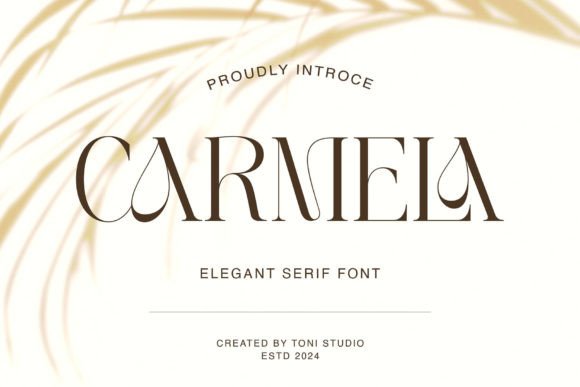
Carmela: The Psychology of Luxury in Modern Serif Typography
In the realm of graphic design, typography is rarely just about legibility; it is the primary vehicle for emotional resonance. When a designer selects a typeface, they are choosing a voice. Among the vast library of digital fonts available today, serif typefaces hold a unique position, acting as the bridge between classical tradition and contemporary elegance. Within this category, Carmela has emerged as a distinctive choice, offering a sophisticated aesthetic that caters to high-end branding and personal stationery alike. Understanding the nuances of a font like Carmela requires a deep dive into the anatomy of serif typefaces, their psychological impact on consumers, and the technical application of such fonts in modern digital environments.
The Anatomy of Elegance
To appreciate what makes Carmela a valuable asset in a designer's toolkit, one must first understand the structural elements that define a serif font. Serifs are the small lines or strokes attached to the end of a larger stroke in a letter or symbol. While sans-serif fonts (without these strokes) often convey modernity and minimalism, serif fonts like Carmela evoke a sense of heritage, authority, and groundedness.
However, Carmela distinguishes itself from rigid, blocky serifs of the past. It is characterized by high contrast between thick and thin strokes and elegant, flowing curves. This design philosophy places it in the category of "modern" or "didone" serifs, which are known for their dramatic flair. The terminals—the ends of the strokes that do not have serifs—are often refined to a point or a delicate teardrop shape, contributing to the font's overall feeling of luxury. This intricate detailing allows Carmela to capture light and shadow in a way that flatter, more utilitarian fonts cannot.
The Psychology of High-Contrast Type
Why does a specific typeface trigger associations with luxury, weddings, or high fashion? The answer lies in cognitive psychology. Humans associate complex, delicate patterns with higher value. A font like Carmela, which requires careful rendering and offers intricate details, signals to the viewer that the content it represents is important and worthy of attention.
When a consumer views a logo set in Carmela, their brain processes the visual information through a lens of cultural conditioning. We have been trained by centuries of print media—from royal proclamations to the mastheads of fashion magazines—to associate this style of lettering with premium quality. For business owners, utilizing Carmela in branding is not merely an aesthetic choice; it is a psychological strategy to pre-dispose the audience to view the product or service as superior.
Practical Applications in Branding
The versatility of Carmela allows it to function across various media, though it excels most in display sizes where its details can be fully appreciated. Here is how different industries can leverage this typeface:
Luxury Goods and Fashion
For brands dealing in jewelry, couture, or fragrances, Carmela provides the necessary visual weight to compete in a crowded market. The font’s ability to stand alone as a logo mark is particularly powerful. By manipulating the tracking (the space between letters), designers can create a timeless monogram that suggests exclusivity.
Wedding and Event Stationery
The wedding industry relies heavily on romanticism and tradition. Carmela is perfectly suited for monograms and invitations because its flowing nature mimics the fluidity of calligraphy but retains the consistency required for digital typesetting. It balances the intimacy of a personal note with the formality of a legal contract, making it ideal for save-the-dates and programs.
Editorial and Blog Design
In the world of digital publishing, headers and titles need to stop a user from scrolling. While body text is best kept in highly legible, simple fonts, headers set in Carmela can establish the tone of the article immediately. Whether the blog focuses on interior design, travel, or gourmet food, Carmela adds a layer of editorial polish that elevates the content from a casual post to a published feature.
Technical Considerations for Implementation
While Carmela is visually stunning, implementing high-contrast serif fonts requires technical awareness. The very features that make it beautiful—thin hairlines—can pose challenges in specific digital contexts.
Web Accessibility and Legibility
On low-resolution screens or at very small font sizes, the ultra-thin strokes of a font like Carmela can disappear, rendering text unreadable. Therefore, it is imperative that designers adhere to best practices: use Carmela exclusively for headings, subheadings, or pull quotes (display usage). For body text, pair it with a robust sans-serif or a transitional serif that has thicker strokes and better legibility at small sizes.
Color Contrast
Because of its delicate nature, Carmela demands high contrast against its background. Placing this font in a light grey text on a white background will likely fail accessibility standards and frustrate users. Deep blacks, rich navy blues, or metallic foils (in print) work best to ensure the "hairlines" of the font remain visible and crisp.
Pairing Carmela with Other Typefaces
No font is an island. To create a cohesive visual identity, Carmela must be paired with a secondary typeface that complements without competing. The goal is to create a hierarchy that guides the reader’s eye.
- With Geometric Sans-Serifs: Pairing Carmela with a clean, geometric sans-serif (like Montserrat or Futura) creates a striking contrast. The modern, industrial feel of the sans-serif grounds the ornate nature of Carmela, resulting in a look that is both contemporary and luxurious.
- With Humanist Sans-Serifs: For a softer, more approachable feel, pairing Carmela with a humanist sans-serif (like Open Sans or Lato) can soften the formality. This combination works well for lifestyle blogs or boutique agencies that want to appear professional yet friendly.
- With Monospaced Fonts: For a trendy, editorial aesthetic, designers sometimes pair high-fashion serifs with monospaced typewriter fonts. This juxtaposition highlights the elegance of Carmela by placing it next to something utilitarian and raw.
The Role of Typography in User Experience (UX)
It is a common misconception that User Experience (UX) is solely about functionality and navigation. In reality, typography plays a massive role in the "feeling" of using a website or application. This is often referred to as the User Interface's (UI) personality.
When a user lands on a page featuring Carmela, they subconsciously process the intent of the site. If the font is used correctly—clear, high-contrast, and appropriately sized—it builds trust. It signals that the site owner cares about aesthetics and, by extension, cares about the quality of the service provided. Conversely, if a beautiful font like Carmela is used poorly (e.g., too small, too light, or overused), it can make a site feel difficult to navigate, leading to higher bounce rates.
Designing for Print vs. Digital
The transition of a font like Carmela from screen to paper is where its true beauty often shines. In print, resolution is rarely an issue. The ink absorbs into the paper, giving weight to the thin strokes that might struggle on a pixel grid.
For printed materials such as business cards, letterheads, or packaging, Carmela allows for exquisite detailing. Designers can explore techniques like embossing, debossing, or foil stamping with this font. The high contrast of the typeface catches the light beautifully when stamped in gold or silver, creating a tactile experience that digital media cannot replicate. However, when printing, it is crucial to ensure that the paper stock is suitable. Uncoated, textured papers can sometimes bleed ink into the thin serifs, so a coated or high-quality cotton stock is recommended to keep the lines sharp.
Trends in Serif Usage
The design world is cyclical. For many years, the trend leaned heavily toward clean, minimal sans-serif branding. However, there has been a significant resurgence in the popularity of expressive, high-contrast serifs like Carmela. This shift is driven by a desire for warmth, personality, and a break from the sterile "corporate" look that dominated the 2010s.
Today's consumers crave authenticity and connection. Serifs feel more "human" and less "algorithmic." Carmela fits perfectly into this zeitgeist, offering a way for brands to stand out with a voice that feels established and trustworthy, rather than following the latest fleeting tech trend.
Conclusion
Selecting the right typography is a decision that impacts every facet of a brand's visual communication. Carmela is more than just a collection of elegant curves and serifs; it is a tool for storytelling. By understanding its structural characteristics, psychological impact, and technical requirements, designers and business owners can harness its power to create lasting impressions. Whether used for a wedding invitation that will be cherished for years or a digital header that stops a scrolling thumb, Carmela proves that in the world of design, how you say something is often just as important as what you say.