Unleashing the Hero Within: Mastering the "Very Easy" Superhero Font
In the world of graphic design, typography is rarely just about reading words on a page. It is about feeling, atmosphere, and immediate recognition. When you see a movie poster for a blockbuster action film or the cover of a vintage comic book, the letters themselves tell a story before you even read the title. They convey power, danger, excitement, and heroism. This is the specific niche where the Very Easy font makes its grand entrance. It is not merely a typeface; it is a visual statement designed to command attention and evoke the spirit of modern heroism.
For designers, content creators, and hobbyists looking to inject a dose of adrenaline into their projects, understanding the nuances of a font like Very Easy is essential. This article explores the anatomy, application, and artistic significance of this bold typeface, offering a comprehensive guide on how to wield its power effectively in modern design.
What Defines the "Very Easy" Aesthetic?
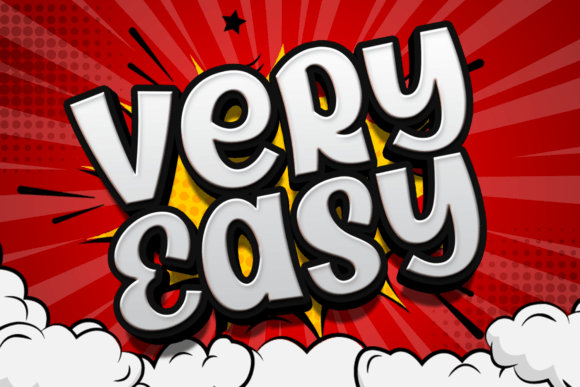
At first glance, the Very Easy font strikes the viewer with its undeniable boldness. However, unlike the jagged, distressed, or overly aggressive fonts often associated with the action genre, this typeface brings a unique blend of power and elegance. It is a superhero font, but it is one that has evolved with modern design trends.
The Anatomy of Power
The core structure of the font relies on heavy strokes and wide proportions. This visual weight ensures that the text stands out against any background, a critical requirement for logos and titles that need to be legible from a distance. The letterforms are constructed with a dynamic rhythm; they seem to be in motion even when static. This kinetic energy is what classifies it as a superhero font—it suggests action, speed, and impact.
The Modern Twist
Where Very Easy distinguishes itself from its predecessors is in its "fancy, modern twist." Traditional superhero fonts can sometimes look dated or overly campy, reminiscent of the Silver Age of comics. Very Easy cleans up these lines. It incorporates sleek, stylish details—perhaps a slight curve in the spine of a letter or a sharp, precise terminal on a stroke—that make it feel sophisticated. It bridges the gap between the raw energy of a comic book and the polished aesthetic of a modern tech startup or a high-end fashion brand.
Practical Applications: Where to Use Very Easy
Understanding a font’s personality is one thing; knowing where to deploy it is another. The versatility of Very Easy allows it to shine in various creative contexts. Its primary strength lies in display typography—text that is meant to be seen, not just read.
Comic Books and Graphic Novels
The most natural habitat for this font is sequential art. Whether you are designing a cover for an indie comic or creating title cards for a graphic novel, Very Easy provides the necessary gravitas. It works exceptionally well for mastheads, signaling to the reader that they are about to enter a world of high stakes and adventure. Because of its clarity, it can also be used for sound effects (onomatopoeia) like "BOOM" or "CRASH," provided the size is large enough to maintain its sleek edges.
Cinematic Posters and Title Design
In the film industry, typography sets the tone for the trailer. A font like Very Easy is ideal for action-packed movie posters. Imagine a one-sheet for a sci-fi thriller or a superhero blockbuster; the title needs to look expensive and explosive. This font achieves that without needing excessive drop shadows or gradients to look good. Its inherent structure carries the weight of the "blockbuster" aesthetic.
Branding and Logo Design
Outside of entertainment, the font finds relevance in branding for companies that want to project confidence and strength. This doesn't necessarily mean the company sells comic books. It could be a security firm, a high-performance automotive brand, or a fitness studio. Using Very Easy in a logo communicates that the brand is bold, reliable, and forward-thinking. The "modern twist" ensures that the logo doesn't look like a parody, but rather a serious contender in the market.
Gaming and Esports
The gaming industry thrives on visual flair. Esports teams, streamers, and game developers often seek fonts that look futuristic and aggressive. Very Easy fits perfectly into this niche. It can be used for game titles, team logos, or stream overlays. Its readability ensures that even in the fast-paced environment of a live stream, viewers can instantly identify the team name or game title.
Design Principles: Maximizing the Impact
To use Very Easy effectively, one must adhere to specific typographic principles. A powerful font can be undermined by poor placement or conflicting design elements.
Hierarchy and Contrast
Because this font is bold and eye-catching, it should generally be reserved for headlines and titles. Using it for body text would likely overwhelm the reader and reduce legibility. The best practice is to pair it with a clean, neutral sans-serif font (like Helvetica, Roboto, or Open Sans) for the smaller text. This creates a visual hierarchy where the Very Easy header grabs the attention, and the body text provides the information comfortably.
Color and Background
The sleek nature of the font allows it to work on both light and dark backgrounds, but high contrast is key. For a classic superhero look, bright lettering (yellow, red, or white) against a dark, moody background works wonders. For a more modern, corporate application, a monochromatic scheme—such as dark grey on a light grey background—can highlight the font's elegant curves.
Spacing and Tracking
Dynamic fonts often benefit from slight adjustments in tracking (the space between letters). Because Very Easy has a powerful presence, tightening the tracking slightly can make the word look more cohesive and solid, like a stamp or a badge. Conversely, if you want a more airy, luxurious feel, expanding the tracking can emphasize the "fancy" aspect of the design.
Common Misunderstandings About Display Fonts
There is a tendency in beginner design to view display fonts like Very Easy as "one-size-fits-all" solutions. However, context matters.
The "Too Much" Trap
A common mistake is using multiple bold, decorative fonts in a single composition. If you use Very Easy for the title, do not use another complex font for the subtitle. The design will become noisy and unreadable. The goal of a display font is to be the "hero" of the page; it needs supporting characters (subordinate fonts), not more heroes competing for the spotlight.
Legibility vs. Style
While the font is described as having "sleek, stylish details," designers must always test for legibility. If the text is placed over a busy photograph, the details of the font might get lost. In such cases, using a semi-transparent overlay behind the text or adding a subtle drop shadow can help the typography stand out without compromising its clean aesthetic.
The Psychological Impact of Typography
Why does a font matter so much? It comes down to psychology. When a reader sees the Very Easy font, their brain instantly categorizes the content. The bold, capitalized strokes signal authority and importance. The dynamic slant or curves suggest movement and excitement.
In marketing, this is invaluable. If you are promoting an event, a product launch, or a sale, you want the audience to feel a sense of urgency and excitement. Very Easy delivers that emotional payload immediately. It tells the audience, "This is important. Pay attention." This is the essence of effective graphic design—communicating a feeling through visual form.
Conclusion
The Very Easy font is more than just a collection of vector paths; it is a tool for storytelling. By combining the raw power of traditional superhero typography with the refined elegance of modern design, it offers a versatile solution for a wide range of creative projects. Whether you are crafting the logo for the next big startup, designing a poster for an indie film, or laying out the cover of a graphic novel, this typeface provides the visual impact necessary to succeed.
By understanding its structure, respecting its power, and pairing it wisely with complementary design elements, you can transform a simple message into a heroic declaration. In the crowded visual landscape of the modern world, having a font that is bold, dynamic, and undeniably stylish is not just a luxury—it is a necessity.