The Sweet Science of Bubbly Sans: Why This Handwritten Font Captures Hearts
In the vast universe of digital typography, where sharp serifs and cold sans-serifs often dominate professional landscapes, there exists a soft, rounded oasis known as Bubbly Sans. For graphic designers, crafters, and digital artists seeking to inject personality, warmth, and a distinct "girly" aesthetic into their work, this font has become a go-to resource. But what exactly makes a typeface feel "bubbly," and why is this specific style so effective in modern design? This article explores the anatomy, psychology, and practical application of Bubbly Sans, offering a comprehensive guide for creators who love pastel aesthetics and adorable visuals.
Understanding the Anatomy of a "Cute" Font
To appreciate Bubbly Sans, one must first understand the psychology of font shapes. Typography is not merely about reading words; it is about feeling them. The shape of a letterform triggers emotional responses before the brain even processes the semantic meaning of the text.
Fonts generally fall into two emotional categories: angular and rounded.
- Angular Fonts: Typefaces with sharp corners, high contrast, and geometric precision (like Futura or Impact) convey authority, seriousness, speed, and efficiency. They are the language of corporate logos and news headlines.
- Rounded Fonts: Typefaces with soft terminals, circular bowls, and lack of sharp angles (like Bubbly Sans) convey friendliness, safety, approachability, and comfort. They mimic the soft curves of nature and human facial features.
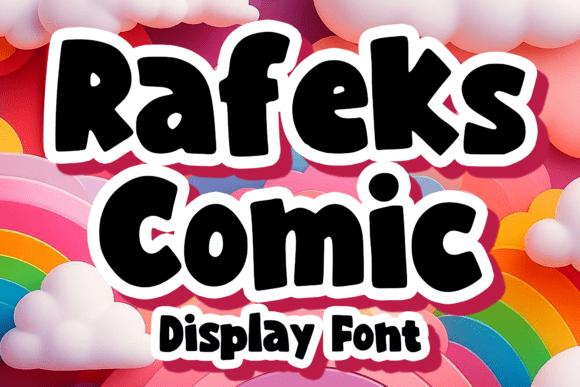
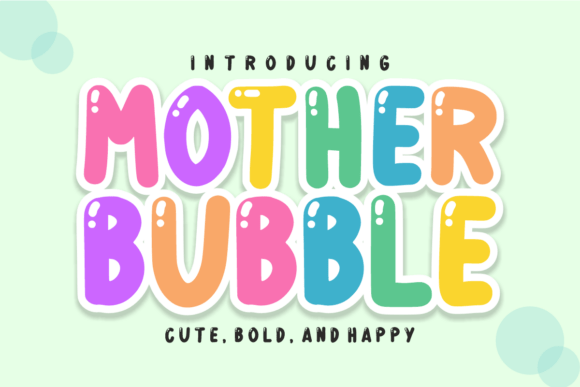
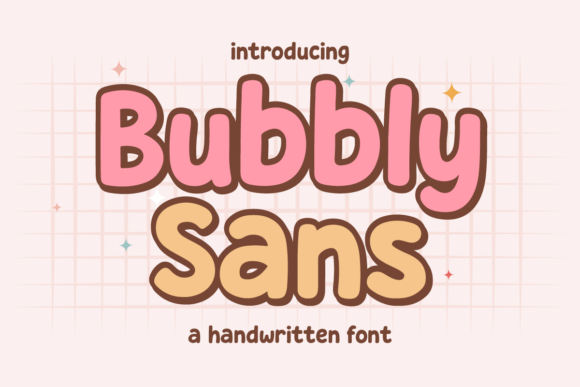
Bubbly Sans falls firmly into the latter category. It is designed to be physically soft. The strokes are thick and voluminous, resembling inflated balloons or soft pillows. This structural decision creates a sense of tactile comfort, making the viewer feel as though they could almost squeeze the letters.
Deconstructing Bubbly Sans: The Handwritten Charm
While many rounded fonts are geometrically perfect, Bubbly Sans distinguishes itself through its handwritten display characteristics. It is not a sterile, computer-generated circle font; it is a typeface that mimics the nuances of human handwriting—specifically, the charming, unrefined writing of a child.
The Role of Imperfection
In typography, "perfect" geometry can sometimes feel cold or robotic. Bubbly Sans introduces slight imperfections in its baseline and letter height. These "wobbles" are intentional. They add authenticity and a whimsical, hand-drawn feel that connects with the viewer on a personal level. It suggests that a human being is behind the design, rather than a faceless algorithm. This makes the font feel approachable and intimate.
Soft, Chunky Edges
The defining feature of this typeface is its chunky edge weight. The letters are bold and heavy, ensuring high readability even at smaller sizes. However, unlike standard bold fonts which can feel aggressive, the weight here is distributed softly. There are no harsh serifs or spurs. This design choice makes it incredibly versatile for both digital screens and physical print, as the letters maintain their shape and "cuddly" vibe regardless of the medium.
Practical Applications: Where Bubbly Sans Shines
The utility of a font is defined by its context. Bubbly Sans is not designed for legal contracts or medical journals; it is engineered for creativity, joy, and emotional connection. Its versatility lies in its ability to fit into specific niches where warmth is the primary currency.
1. Nursery Decor and Children’s Products
When designing for a child's environment, safety and happiness are paramount. Bubbly Sans is the quintessential choice for nursery wall art, growth charts, and alphabet posters. Its rounded shapes are visually safe and stimulating for young eyes. Furthermore, because it resembles a child’s own handwriting, it serves as a friendly bridge for early literacy, making letters look like something fun rather than academic.
2. Social Media and Influencer Branding
In the competitive world of Instagram, TikTok, and Pinterest, visual identity is everything. Influencers and content creators in the lifestyle, beauty, and fashion niches often utilize Bubbly Sans to create a cohesive "pastel aesthetic." It is perfect for:
- Quote graphics that need to feel inspirational yet casual.
- Story highlights and cover icons.
- Lower thirds for video content.
The font acts as a visual shorthand for "friendly and relatable," helping creators build a parasocial bond with their audience.
3. Feminine Branding and Packaging
Small businesses focusing on handmade goods, cosmetics, or stationery often struggle to find fonts that feel premium yet personal. Bubbly Sans strikes this balance perfectly. It is widely used on:
- Product Packaging: Labels for candles, soaps, and bath bombs.
- Stationery: Greeting cards, invitations, and planner stickers.
- Apparel: Cute quotes on t-shirts and tote bags.
The font’s "cuddle-worthy" atmosphere translates directly into product value, suggesting that the item inside the packaging is made with care and love.
4. Digital Crafting and Scrapbooking
The scrapbooking community has long valued typography that mimics journaling. Bubbly Sans is ideal for digital scrapbook titles and journaling pages because it captures the essence of a felt-tip marker or a gel pen. It allows digital scrapbookers to achieve the look of physical handwriting without the mess or the fear of making a mistake.
The Psychology of Color and Font Pairing
A font rarely works in isolation. To maximize the impact of Bubbly Sans, it is essential to understand how it interacts with colors and other typefaces.
Pastel Perfection
Bubbly Sans is synonymous with pastel aesthetics. Soft pinks, baby blues, mint greens, and lavender purples enhance the rounded nature of the font. High-contrast colors (like neon yellow or harsh red) can sometimes clash with the soft edges, making the design feel disjointed. To maintain the "sweet and charming" vibe, sticking to low-saturation, high-brightness colors is recommended.
Font Pairing Strategies
Because Bubbly Sans is a display font—meaning it is designed for headers and titles rather than long paragraphs—it requires a companion font for body text. Pairing it with a standard sans-serif (like Lato, Open Sans, or Montserrat) creates a balanced hierarchy. The sans-serif provides the readability needed for longer sentences, while Bubbly Sans captures attention for the headline.
Common Misunderstandings About Display Fonts
Beginners in design often make the mistake of overusing display fonts like Bubbly Sans. It is crucial to clarify a few points to ensure professional results:
- Readability vs. Legibility: While Bubbly Sans is legible (you can identify the letters), it can become difficult to read in long paragraphs due to its decorative nature. Use it for short bursts of text.
- Professional Context: While the font adds "character," it may not be suitable for corporate communications. Using it for a law firm’s logo would undermine credibility, whereas using it for a bakery’s logo enhances it.
- Over-saturation: Because this style is popular, it can sometimes blend in with other designs. To stand out, pair it with unique graphics or custom illustrations rather than relying on the font alone.
Conclusion: The Enduring Appeal of Soft Design
In a digital world that can often feel harsh, fast, and impersonal, design choices like Bubbly Sans offer a necessary counterbalance. It represents a desire for warmth, friendliness, and cuteness. Whether you are a seasoned graphic designer working on a children's book, a small business owner packaging homemade jewelry, or a hobbyist creating a digital planner, this font provides a reliable tool for evoking joy.
By understanding the principles behind its rounded shapes and handwritten charm, you can use Bubbly Sans not just as a typeface, but as a storytelling device. It tells your audience that your project is approachable, thoughtful, and full of character—turning simple text into a visual hug.