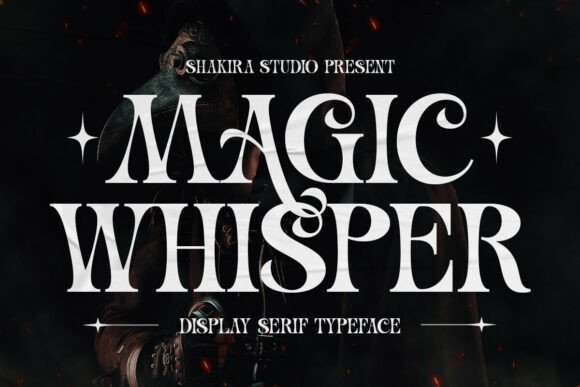
Magic Whisper: The Serif Typeface That Commands Attention
In the world of graphic design and typography, the choice of font is rarely just about legibility; it is about voice. A typeface sets the emotional tone before a single word is read. For designers seeking a balance between dramatic flair and sophisticated structure, Magic Whisper emerges as a compelling solution. It is a dramatic serif display font that bridges the gap between the nostalgia of vintage typography and the crisp demands of modern aesthetics. By combining a bold presence with intricate details, Magic Whisper offers a versatile tool for anyone looking to elevate their visual communication.
Understanding the Essence of the Font
At its core, Magic Whisper is defined by its ability to exude elegance and mystique simultaneously. Unlike standard serif fonts that often prioritize corporate neutrality, this typeface leans into personality. It features a bold Regular version that ensures high impact, making it immediately readable even at a distance. However, what sets it apart is the nuance found in its design DNA. It incorporates stylish alternates and ligatures, which are specialized character combinations that allow for a more fluid and custom look. This blend of vintage charm with a contemporary structure means that the font does not feel outdated or overly retro; rather, it feels timeless.
The Challenge of Standing Out in a Saturated Market
Modern creatives face a significant hurdle: oversaturation. Whether you are designing a logo for a startup, laying out a magazine spread, or creating a poster for an event, the visual landscape is crowded. Standard fonts like Arial, Times New Roman, or even popular sans-serifs are ubiquitous. They are safe, but they often fail to create a lasting impression. The challenge lies in finding a typeface that is unique enough to catch the eye but versatile enough to be used across different mediums without losing its impact.
Furthermore, designers often struggle with the technical limitations of "decorative" fonts. Many display fonts look beautiful in a logo but become illegible in a headline, or they lack the necessary punctuation and alternates to support complex branding needs. Magic Whisper addresses these pain points by offering a robust feature set that does not sacrifice functionality for style.
How Magic Whisper Addresses Design Needs
The primary goal of using a font like Magic Whisper is to create an emotional connection with the viewer. Because it blends vintage charm with modern aesthetics, it is particularly effective for projects that need to feel established yet fresh. For instance, a boutique hotel brand needs to convey luxury and history, but it also needs to look like it belongs in the current decade. Magic Whisper solves this by using bold strokes that suggest confidence, paired with serifs that suggest tradition.
Moreover, the inclusion of alternates and ligatures empowers the designer to solve specific layout problems. If a standard letter combination looks awkward in a logo, the ligatures in Magic Whisper can smooth the transition, creating a seamless visual flow. This level of customization allows for a tailored design process, ensuring that the typography feels handcrafted rather than mass-produced.
Practical Applications and Use Cases
The versatility of Magic Whisper makes it suitable for a wide range of creative projects. Its bold nature makes it ideal for display purposes where short bursts of text need to carry significant weight.
Branding and Logo Design
For branding, first impressions are everything. A logo set in Magic Whisper immediately suggests a brand that values quality and style. It is particularly effective for industries such as luxury goods, high-end cosmetics, artisanal food products, or fashion labels. The font’s unique silhouette ensures that the brand identity is memorable and distinct from competitors using generic typefaces.
Editorial and Publication Design
In editorial design, such as magazine covers or book jackets, Magic Whisper can serve as a powerful headline font. The "mystique" element of the font draws the reader in, creating curiosity about the content within. For example, a feature article on a mysterious historical event or a profile of an enigmatic celebrity would benefit greatly from the dramatic flair this typeface provides.
Event Branding and Posters
Event posters require a font that can function as a visual anchor. Whether it is for a gala, a vintage market, or a theatrical performance, Magic Whisper provides the necessary drama. Its bold weight ensures that the event details are legible from a distance, while its stylistic details add a layer of sophistication that elevates the event's perceived value.
Tailoring the Approach for Different Users
Different creatives will approach the implementation of Magic Whisper based on their specific goals and audience.
- The Minimalist Designer: A designer working on a clean, modern layout might use Magic Whisper sparingly. They might utilize the bold Regular version for a main headline, pairing it with a simple, clean sans-serif for body text. This approach uses the font as a statement piece without overwhelming the page.
- The Maximalist/Vintage Enthusiast: For those working on projects with a retro or eclectic vibe, the alternates and ligatures become essential tools. By swapping out standard letters for stylistic alternates, they can create a typographic illustration that feels dense and textured, perfect for album art or vintage-style posters.
- The Brand Strategist: When building a brand identity, consistency is key. A strategist would focus on how Magic Whisper renders across different sizes and materials—from a small favicon on a website to large signage. The font’s structure is designed to maintain its elegance even when scaled, ensuring the brand voice remains consistent.
Recommendations for Implementation
To unlock the full potential of Magic Whisper, consider the following practical tips:
- Contrast is Key: Because Magic Whisper is a bold serif with high personality, it pairs best with simple secondary fonts. Use it for headers and pair it with a neutral sans-serif or a clean serif for body copy to avoid visual clutter.
- Utilize OpenType Features: Do not just type and go. Explore the font panel in your design software (like Adobe Illustrator or InDesign) to access the OpenType features. Experimenting with ligatures and alternates can transform a standard word into a custom logo mark.
- Consider the Context: While the font is versatile, it is primarily a display typeface. It is best suited for large text sizes. Using it for long paragraphs of small body text may reduce readability. Stick to headlines, sub-headers, and pull quotes to let the font shine.
Conclusion
In a design environment that demands both creativity and professionalism, Magic Whisper