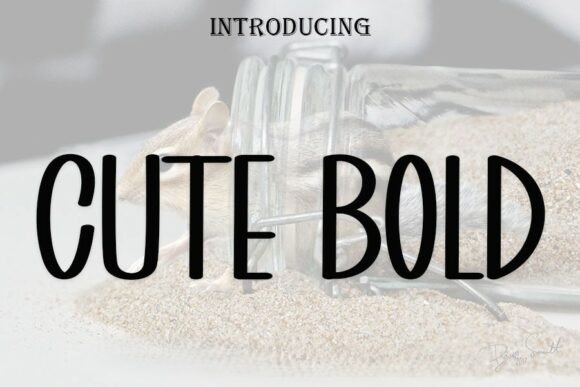
Cute Bold: The Hand-Drawn Calligraphy Font with Real Impact
Where Handmade Charm Meets Modern Design
Finding a typeface that feels both personal and powerful can be a challenge. Many script fonts lean too far into whimsy, sacrificing clarity, while bold sans-serifs can feel sterile and impersonal. Cute Bold occupies a compelling middle ground. It’s a modern calligraphy font defined by its tall, condensed letterforms and gentle, organic curves. The result is a style that captures the warmth of a hand-drawn note but delivers it with the polished consistency required for professional projects. Its charm isn’t just in its aesthetic; it’s in its balanced proportions and subtle hand-inked details that add texture without compromising readability.
The Anatomy of Its Appeal
What makes this font particularly useful is its narrow width. In design, space is often a premium commodity. Whether you’re working on a product label with limited real estate, a social media graphic that needs to be instantly scannable, or a book cover where the title must stand out without overwhelming the artwork, a condensed font is a practical ally. Cute Bold delivers this space efficiency without feeling cramped. The tall letterforms create a sense of upward energy and elegance, while the soft curves ensure it remains approachable. It’s a typeface that says, “Pay attention,” but in a friendly, inviting tone.
Practical Applications Across Creative Fields
The versatility of Cute Bold allows it to adapt to a wide range of projects. Its core strength lies in contexts where you need to inject personality and clarity simultaneously.
For Branding and Packaging
Imagine a boutique candle company or an artisanal jam producer. The product label needs to communicate quality, care, and a handmade ethos. Using Cute Bold for the product name can instantly convey that artisanal feel. Pair it with a clean, simple sans-serif for the description text to maintain legibility. The font’s bold weight ensures the name stands out on a crowded shelf, while its calligraphic roots tell a story of craftsmanship. This approach works equally well for hobby shop branding, stationery lines, or any small business wanting to project a friendly, premium image.
In Digital and Social Media
On platforms like Instagram or Pinterest, where visual noise is high, a headline needs to grab attention quickly. Cute Bold excels here. Use it for playful social media graphics, announcement posts, or quote cards. Its high legibility at various sizes makes it reliable for both large headlines and smaller subheadings. For a blogger or content creator, it can define a consistent visual style for pins or story templates, making content immediately recognizable in a fast-scrolling feed.
For Editorial and Educational Materials
Children’s book titles, classroom posters, and activity sheets benefit enormously from a font that is engaging yet easy to read. Cute Bold strikes this balance. It’s energetic enough to spark interest in young readers but structured enough to avoid confusion. Educators can use it for bulletin board headings or worksheet titles, adding a dose of fun to learning materials without sacrificing the clarity essential for comprehension.
How to Use It Effectively: A Designer’s Perspective
Adopting a distinctive font like Cute Bold requires a thoughtful approach to ensure your design remains organized and effective.
- Pairing is Key: Cute Bold is a statement font. It pairs best with simple, neutral companions. Think classic sans-serifs like Montserrat or Open Sans for body text, or a clean serif like Georgia for a slightly more traditional feel. This contrast allows the headline font to shine without creating visual competition.
- Context Matters: While versatile, consider the project’s overall tone. For a formal annual report, it might not be the right choice. However, for a startup’s pitch deck, a community event flyer, or a café menu, its approachable boldness can be perfect. Always ask: does this font’s personality align with the message and audience?
- Spacing and Hierarchy: Because it’s condensed, pay close attention to letter-spacing (tracking) and line spacing (leading). A little extra space between letters can improve readability, especially at smaller sizes. Use it primarily for headlines or pull quotes to establish a clear visual hierarchy, letting it guide the viewer’s eye through your layout.
- Color and Texture: The hand-inked details of Cute Bold look fantastic with textured backgrounds—think paper grain, watercolor washes, or subtle linen patterns. It also responds well to color. Try it in a warm, muted palette for a vintage feel or a bright, bold color for a more contemporary, playful vibe.
Inspiration for Your Next Project
Need a starting point? Consider these project ideas:
- Personalized Stationery: Design a set of greeting cards or notepads using Cute Bold for the monogram or header. It adds a bespoke, crafted quality that digital fonts often lack.
- Event Branding: Create cohesive materials for a baby shower, birthday party, or small wedding. Use the font for invitations, welcome signs, and thank-you tags to create a warm, unified theme.
- Digital Product Mockups: If you sell digital templates (like planners or social media kits), using Cute Bold in your mockups can make them feel more tangible and appealing to potential buyers.
- Podcast or YouTube Channel Art: Give your channel a distinct personality. Use the font for your logo or episode title cards to stand out and convey your content’s tone—whether it’s friendly, informative, or creative.
The true value of a typeface like Cute Bold lies in its ability to bridge the gap between the organic and the structured. It offers a tool for creators who want their work to feel human, approachable, and full of character, without sacrificing the professionalism and clarity that effective communication demands. By understanding its strengths and applying it with intention, you can turn a simple font choice into a defining element of your creative voice.