Blood Drip: Crafting Unforgettable Horror Typography
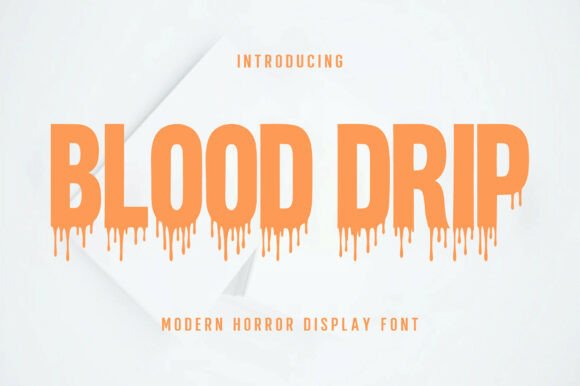
In the world of graphic design, typography is more than just letters on a page; it is a vehicle for emotion and atmosphere. When a project calls for a sense of dread, urgency, or visceral impact, standard sans-serifs often fall short. This is where Blood Drip enters the conversation. It is a modern horror display font featuring bold lettering with a dripping effect that mimics flowing blood. Designed to create a spooky and dramatic impact, it is perfect for Halloween themes, horror posters, branding, and eye-catching visual projects.
The Psychology of Visual Fear
Understanding why Blood Drip works requires looking at the psychology of horror design. Fear is often triggered by the unexpected or the visceral. When a viewer sees text that appears to be melting or bleeding, it taps into primal instincts regarding injury, decay, and the supernatural. Unlike standard jagged "scary" fonts that rely on sharp edges, the liquid aesthetic of Blood Drip suggests movement and fluidity. It implies that the horror is not static; it is active and spreading.
For professionals in the entertainment or event industries, this psychological trigger is a tool. A movie poster using Blood Drip immediately signals the genre to the audience without needing a single line of synopsis. It sets expectations before the viewer has even read the title. This font acts as a visual shorthand for the macabre, allowing designers to bypass generic imagery and let the typography itself become the focal point of the design.
Practical Applications for Horror Typography
While the aesthetic is specific, the application of Blood Drip is surprisingly versatile across various sectors. It is not limited to professional designers; small business owners, hobbyists, and content creators can all utilize this typeface to elevate their seasonal or thematic content.
Event Branding and Marketing
For those organizing Halloween events, haunted houses, or themed parties, the font choice sets the stage. Using Blood Drip on flyers, social media banners, and tickets creates an instant mood. It saves time for marketers who might otherwise struggle to overlay graphic effects onto standard text. The "dripping" effect is built directly into the letterforms, ensuring consistency across all print and digital materials.
Content Creation and Social Media
YouTubers, streamers, and bloggers focusing on the horror genre or true crime often need distinct branding. Blood Drip can be used for video thumbnails or blog headers to grab attention in a crowded feed. The bold nature of the font ensures legibility even at smaller sizes on mobile screens, while the thematic elements maintain the channel's specific brand identity. It helps in creating a cohesive visual experience that subscribers come to recognize.
Merchandise and Product Packaging
Entrepreneurs selling niche products—such as hot sauces, craft beers, or Halloween merchandise—can use Blood Drip to communicate intensity. For example, a "ghost pepper" hot sauce bottle featuring this font visually communicates the "danger" or heat level of the product. It serves as a functional design choice that supports the product's marketing narrative, helping the item stand out on a shelf or in an online store.
Designing with Impact: How to Use Blood Drip Effectively
Because Blood Drip is a display font, it carries a high visual weight. One of the most common mistakes in design is overusing such distinct typefaces. To achieve the best results, designers should treat Blood Drip as an accent rather than the entire voice of the project.
The most effective use of this font is for headlines, titles, and single-word callouts. Pairing Blood Drip with a clean, neutral sans-serif for body text creates a necessary contrast. If the entire paragraph were written in a dripping blood style, it would become illegible and overwhelming. By using it sparingly, the "drip" effect remains dramatic and does not become visually fatiguing.
- Contrast is Key: Pair Blood Drip with simple fonts like Roboto or Open Sans for readability.
- Color Theory: While the font mimics blood, applying it in neon green or toxic purple can shift the mood from gore to slime or radioactive waste, fitting for sci-fi horror themes.
- Background Matters: Avoid busy backgrounds. The intricate details of the dripping letters need a solid or slightly textured background to be fully appreciated.
Technical Considerations and File Formats
When integrating Blood Drip into a workflow, technical compatibility is essential. Most modern versions of this font are designed to be compatible with standard operating systems and design software, including Adobe Creative Suite and Canva. However, users should always verify the licensing rights. While many display fonts are free for personal use, commercial use—such as on merchandise or paid client work—often requires a specific license.
Furthermore, because the font features irregular edges to simulate liquid, printing techniques matter. On low-resolution printers, the fine "drips" might blur or pixelate. It is recommended to use high-resolution files when applying Blood Drip to physical materials like posters or clothing to ensure the horror effect remains crisp rather than messy.
Solving the "Generic Horror" Problem
Many creators fall into the trap of using overused, default horror fonts that have become cliché. This leads to a lack of differentiation in branding. Blood Drip offers a modern take on the classic horror trope. It balances the familiarity of the "blood" motif with a contemporary, bold structure that feels updated for current design trends.
For freelancers and agencies, this can be a valuable asset. When a client requests a "scary" look, having a font like Blood Drip in your toolkit allows you to deliver a result that feels premium and tailored, rather than relying on stock assets that look dated. It demonstrates an understanding of current aesthetic trends within the niche market of horror and seasonal design.
Limitations and Fit
It is important to acknowledge that Blood Drip is not a universal solution. It is strictly a thematic font. Attempting to use it for corporate reports, academic papers, or serious business correspondence would be inappropriate and damaging to the credibility of the document. Its value lies in its specificity.
Additionally, the "horror" genre is broad. Blood Drip leans heavily towards a visceral, creature-feature, or slasher aesthetic. If a project requires psychological horror—something more subtle, eerie, or ghostly—a different typeface, perhaps a distressed serif or a shaky script, might be more appropriate. Understanding the specific sub-genre of the project is crucial before committing to the font.
Conclusion
In summary, Blood Drip is a specialized tool designed for maximum impact. It serves as a powerful asset for anyone looking to inject a sense of danger, excitement, or seasonal festivity into their visual projects. By understanding its design principles, appropriate applications, and technical requirements, users can leverage this font to create compelling designs that capture attention and effectively communicate the intended theme. Whether for a Halloween party invitation or a horror movie poster, Blood Drip provides the visual language needed to tell a darker story.