Transforming Visual Content with the Pink Candy Handwritten Font
In the digital age, where visual communication often speaks louder than words, the choice of typography can make or break a design. Whether you are an educator creating engaging worksheets, a graphic designer crafting social media posts, or a small business owner developing brand assets, the font you select sets the tone for your entire project. Enter Pink Candy, a delicate and simple-lettered handwritten font that has quickly become a favorite for those seeking a blend of authenticity and charm. Unlike rigid, corporate typefaces, Pink Candy offers a personal touch that resonates with audiences on a human level, making it an invaluable tool for a wide range of creative endeavors.
Understanding the Aesthetic Appeal of Pink Candy
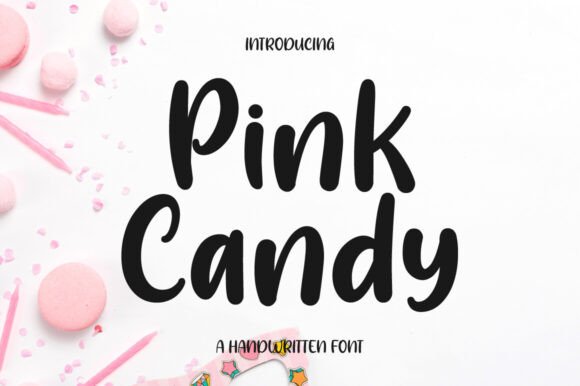
At its core, Pink Candy is designed to mimic the natural flow of handwriting without sacrificing legibility. Many handwritten fonts fall into two extremes: they are either so chaotic that they become unreadable, or they are so generic that they lose the warmth of human touch. Pink Candy strikes a perfect balance. Its "delicate" nature implies a lightness and elegance, making it suitable for themes that require a soft, approachable vibe. The "simple-lettered" aspect ensures that the text remains accessible, which is crucial for educational materials or instructional designs where clarity is paramount.
The visual language of Pink Candy evokes a sense of nostalgia and intimacy. It brings to mind the aesthetic of chalkboard quotes in a cozy café, the margins of a well-loved journal, or a heartfelt note from a friend. This psychological connection is powerful; when viewers see text rendered in this style, they often subconsciously lower their guard, perceiving the message as more genuine and trustworthy than if it were presented in a standard serif or sans-serif font.
Overcoming Common Design Challenges
Designers and content creators frequently face a specific set of challenges. One of the most common is the "coldness" of digital layouts. Standard web fonts are functional, but they often lack personality. This can make educational materials feel dry or make marketing materials feel impersonal. Pink Candy addresses this by injecting a "realistic feel" into the design. It humanizes the digital space, bridging the gap between the screen and the viewer.
Another hurdle is the struggle to create cohesive themes. For instance, a teacher might want to create a welcoming classroom environment but lacks the calligraphy skills to hand-draw every header. Similarly, a DIY enthusiast might want to label pantry jars or create wedding invitations but finds traditional script fonts too difficult to read. Pink Candy solves these problems by providing a pre-made, high-quality handwritten aesthetic that is instantly accessible. It removes the barrier to entry for creating beautiful, personalized designs.
Practical Applications for Educators and Creators
The utility of Pink Candy shines brightest in practical applications. For educators, the font is a game-changer. Creating teaching materials that hold students' attention is an art form. By using Pink Candy for headers, labels, and motivational quotes, teachers can transform standard worksheets into engaging learning experiences. The font’s authentic look makes the material feel less like a bureaucratic requirement and more like a curated, creative gift to the student.
Beyond the classroom, the applications are vast:
- Chalkboard Art: As noted in its description, Pink Candy is perfect for chalkboard quotes. It mimics the uneven pressure and flow of chalk, making digital designs look like actual hand-lettered chalk art. This is ideal for menu designs, wedding signage, or rustic home decor prints.
- Scrapbooking and Journaling: For digital scrapbookers, this font adds a layer of realism that mimics journaling by hand. It helps preserve the "personal" feel of memory keeping in a digital format.
- Social Media Branding: In a sea of bold, shouting marketing text, a brand that uses Pink Candy can stand out by appearing softer and more relatable. It works exceptionally well for lifestyle blogs, bakeries, florists, and wellness brands aiming for a gentle, approachable image.
Tailoring the Font to Different User Needs
Different users will approach Pink Candy with different goals, and the font is versatile enough to accommodate them. A graphic designer working on a high-end invitation suite might pair Pink Candy with a clean, geometric sans-serif font. In this context, Pink Candy would serve as the accent font for headers or callouts, providing a pop of personality against a structured backdrop.
Conversely, a parent creating a chore chart for their children might use Pink Candy as the primary font throughout the document. Because it is simple and legible, it functions well as body text in short bursts, maintaining a fun, non-threatening atmosphere that encourages kids to participate.
It is also important to consider the medium. When printing physical items like labels or tags, the delicate nature of Pink Candy requires high-resolution printing to ensure the thin strokes are captured clearly. On digital screens, ensuring sufficient contrast between the font color and the background is key to maintaining readability, as lighter handwritten fonts can sometimes disappear against busy backgrounds.
Implementation and Design Tips
To get the most out of Pink Candy, implementation should be strategic. Here are a few recommendations for integrating this font into your workflow:
- Spacing and Kerning: Handwritten fonts often benefit from increased letter spacing (tracking). Because Pink Candy is delicate, giving the letters a little room to breathe prevents the text from looking cluttered or cramped.
- Color Palette: While the name suggests pink, the font is incredibly versatile regarding color. However, it tends to look best in soft, muted tones or classic black and white. Harsh neon colors can clash with its delicate, authentic nature.
- Hierarchy: Use Pink Candy to establish a visual hierarchy. Use it for the main message or headline to draw the eye, and pair it with a highly legible font for the detailed instructions or body copy.
The Outcome: Authentic Connection
Ultimately, the goal of using a font like Pink Candy is to foster connection. In a world of automated responses and mass-produced content, the "authentic look" of this font signals to the viewer that a real human is behind the message. Whether you are a teacher trying to connect with a student, a business trying to connect with a customer, or a designer trying to create an emotional response, Pink Candy provides the visual vocabulary to do so.
By incorporating this font into your toolkit, you are not just choosing a typeface; you are choosing a tone of voice. You are opting for warmth over coldness, personality over uniformity, and authenticity over artificiality. For anyone looking to add a personal and realistic feel to their designs, Pink Candy is more than just a font—it is a solution to the challenge of staying human in a digital world.