The Retro Eighties: Capturing 80s Nostalgia in Your Designs
The 1980s were a decade of bold color, unbridled optimism, and distinctive design. That aesthetic is making a massive comeback, not just in fashion and film, but in graphic design and branding. If you’re looking to tap into that vibrant energy, the right typeface is your most powerful tool. The Retro Eighties font is a direct conduit to that era, offering more than just letters—it delivers a complete mood.
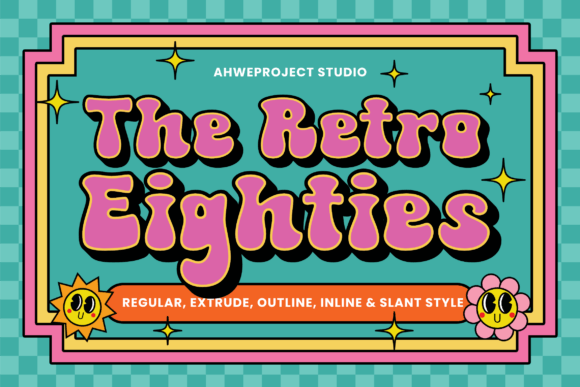
At its core, The Retro Eighties is a display typeface characterized by its bold, rounded letterforms and a playful, almost toy-like quality. It doesn’t just hint at the 80s; it embraces the decade’s love for fun, excess, and visual impact. This makes it an incredibly useful asset for creators who want to inject immediate personality and nostalgic recognition into their work.
Understanding the Font's Unique Character
What sets this typeface apart is its versatility within a specific theme. It’s not a single style but a family designed for creative flexibility. The Regular weight provides a solid, friendly base perfect for headlines that need to be clear yet full of character. From there, the variations open up a world of possibilities:
- Extrude: This style adds a three-dimensional, shadowed effect, instantly evoking the plastic, raised lettering on classic 80s toy packaging and arcade cabinets.
- Outline: Offering a cleaner, more graphic look, the Outline style is perfect for layering over images or creating a more modern take on retro aesthetics.
- Inline: With subtle lines carved into the letterforms, this variant adds a touch of texture and sophistication, reminiscent of chrome detailing or vintage signage.
- Slant: Introducing a dynamic, italic-like angle, the Slant style injects a sense of motion and speed, perfect for conveying energy and excitement.
This range allows you to maintain a consistent 80s vibe across a project while varying the visual weight and impact. You can use the Regular for main headlines, the Outline for subheadings, and the Extrude for a key call-to-action, creating a rich, layered design system.
Practical Applications for Modern Projects
The true value of The Retro Eighties lies in its application. Its design is inherently nostalgic, but its execution can be adapted to serve modern goals. Here’s how different creators can leverage it effectively.
For Branding and Packaging
A small business launching a product line inspired by vintage candy, craft soda, or even a modern tech gadget with a playful twist can use this font to build an immediate emotional connection. The rounded, friendly shapes communicate approachability and fun. Imagine a hot sauce label using the Extrude style for the brand name—the 3D effect would pop off the shelf, suggesting bold, explosive flavor. For a more minimalist brand, the Outline style on packaging can feel fresh and contemporary while still nodding to the past.
For Event Marketing and Posters
Hosting an 80s-themed party, a retro gaming tournament, or a synth-wave music night? The Retro Eighties is your go-to typeface. Its inherent energy communicates the event's theme at a glance. Use the Regular or Slant style for the event title to grab attention, and pair it with a clean, simple sans-serif for the details (date, time, venue) to ensure readability. The key is to let the font do the thematic heavy lifting while keeping logistical information crystal clear.
For Digital Content and Social Media
Bloggers and content creators can use this font to design standout featured images, YouTube thumbnails, or Instagram story graphics. A fitness influencer creating a "Throwback Workout" series could use The Retro Eighties for the series title, instantly setting the tone. The font works exceptionally well for short, impactful text on screen. Remember to test its legibility at smaller sizes on mobile devices, as its boldness is its strength but can become overwhelming if overused in body text.
Tips for Effective and Organized Use
Using a thematic font like this requires a thoughtful approach to avoid a chaotic or kitschy result. The goal is to evoke nostalgia, not create a cluttered design. Here are some practical guidelines:
- Pair with Simplicity: Balance the visual weight of The Retro Eighties with a neutral, easy-to-read typeface for longer text. A clean sans-serif like Helvetica, Arial, or a modern geometric font creates a perfect counterpoint, allowing the retro font to shine without overwhelming the viewer.
- Embrace Color Wisely: The 80s were colorful, but that doesn’t mean you need to use every neon hue. Select a palette of 2-3 complementary, vibrant colors. Think electric blue, hot pink, and cyan, or sunset gradients of orange and purple. Let the font’s shape suggest the color palette.
- Context is King: Consider your audience. For a project aimed at adults who lived through the 80s, you can lean into a more authentic, slightly kitschy aesthetic. For a younger audience unfamiliar with the era, a more refined application—using the Outline or Inline styles with a contemporary color scheme—can make the retro feel fresh and cool rather than dated.
- Mix the Styles Strategically: Don’t use all five styles in one project. Choose one primary style (like Regular) and one accent style (like Extrude for a logo or Outline for a secondary element). This creates cohesion and visual hierarchy.
Inspiration for Diverse Audiences
The adaptability of this font family means it can be tailored to specific professional needs.
- Educators and Presenters: Create engaging slides for a history lesson on popular culture or a marketing lecture on retro branding. The font can make educational content feel more dynamic and memorable.
- Freelance Designers: Offer clients a unique branding solution for businesses targeting a niche market that values nostalgia, such as vintage clothing stores, retro arcades, or specialty food brands.
- Small Business Owners: Use it for seasonal sales promotions, loyalty program cards, or packaging inserts to create a cohesive and delightful customer experience that stands out.
Ultimately, The Retro Eighties is more than a typeface; it’s a design shortcut to a specific, joyful aesthetic. By understanding its styles and applying it with intention, you can create work that feels both nostalgically warm and professionally polished. It’s about harnessing the spirit of the 80s—its confidence, its color, and its playful energy—and channeling it into projects that connect with people today. Start by experimenting with a single style in a small project, like a social media graphic, to see how its personality can transform your creative direction.