Integrating Mother Lovely: A Process Guide for Festive Design Projects
In the lifecycle of a design project, typography is rarely a passive choice; it is an active agent that dictates the emotional tone and functional hierarchy of the final product. For seasonal campaigns, the selection of typeface becomes a critical workflow decision. Mother Lovely is a festive and merry typeface designed specifically to capture the spirit of the holiday season. However, beyond its aesthetic appeal, understanding how to integrate this font into your professional workflow—whether you are a freelancer, a small business owner, or a marketing professional—requires a structured approach. This guide explores the practical implementation of Mother Lovely, focusing on preparation, compatibility, and execution to ensure your holiday designs are not only beautiful but also efficient and effective.
Defining the Asset: The Role of Mother Lovely in Typography
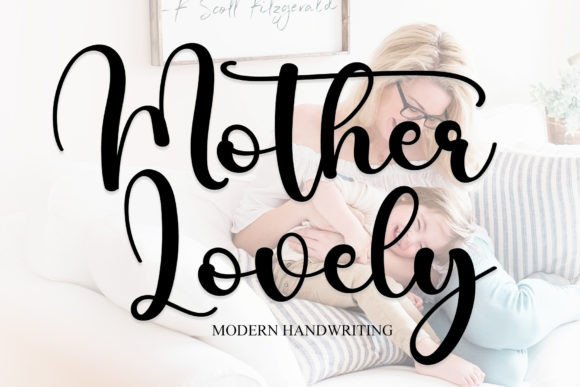
Before diving into execution, it is necessary to define where Mother Lovely sits within a typographic hierarchy. It is a decorative display typeface characterized by its whimsical flair and enchanting, nostalgic elements. In the context of a font library, it serves a specific function: the "hero" text. It is not designed for body copy or legal disclaimers; rather, it is the voice of the headline, the logo accent, or the singular focal point of a design.
When planning a project, categorizing your assets is the first step in organization. By categorizing Mother Lovely as a high-impact, low-volume asset, you prevent workflow bottlenecks later in the design phase. Its inherent cheerfulness makes it an immediate solution for projects requiring a "merry" atmosphere without extensive custom illustration. It acts as a shortcut to the holiday mood, allowing designers to allocate more time to layout and composition rather than struggling to force a standard corporate font to look festive.
Pre-Project Planning and Asset Management
Successful implementation begins before the design software is even opened. The integration of a specialized font like Mother Lovely into your workflow requires a phase of preparation and technical verification.
File Organization and Licensing
For professionals and freelancers, font management is a critical operational task. When acquiring Mother Lovely, ensure the file is immediately categorized in your font manager (such as FontBase or Suitcase Fusion) under a "Seasonal" or "Display" library. This prevents your general system from becoming cluttered with fonts that are only relevant for a few weeks of the year. Furthermore, verify the licensing terms immediately. If you are creating products for sale, such as mugs or t-shirts featuring the font, ensure your license covers commercial use. This administrative step prevents legal complications and protects the long-term viability of your business.
Technical Compatibility Checks
Prior to committing to Mother Lovely for a large-scale campaign, perform a technical audit. Open a test document and type out the specific alphabet and numerals required for your project. Decorative fonts often have specific kerning quirks or limited character sets. You need to verify that Mother Lovely supports the necessary punctuation and special characters. This "dry run" ensures that you do not discover missing glyphs when you are deep in the execution phase, which can disrupt creative flow and waste time.
Workflow Integration: The Design and Execution Phase
Once the asset is prepared, the focus shifts to execution. The goal is to use Mother Lovely to enhance the design without overwhelming the message. This requires a balanced approach to layout and pairing.
Strategic Font Pairing
A common pitfall in holiday design is the overuse of decorative elements. Because Mother Lovely carries a strong personality with its whimsical flair, it requires a grounding element. In your workflow, this means establishing a "supporting cast" of fonts. A practical implementation strategy is to pair Mother Lovely with a clean, geometric sans-serif or a simple serif font.
For example, if you are designing a holiday email header, use Mother Lovely for the main greeting or the value proposition headline. Use a font like Montserrat or Times New Roman for the sub-headline and the call-to-action (CTA). This contrast creates visual hierarchy, guiding the viewer's eye from the festive headline to the actionable details. It ensures that the design remains professional while retaining the holiday spirit.
Application in Specific Use Cases
The versatility of Mother Lovely allows it to be deployed across various tangible outputs. However, the execution method varies based on the medium:
- Physical Printing (Gift Tags & Cards): When using Mother Lovely for physical items, ink density becomes a factor. Because decorative fonts often have thin swashes and thick stems, ensure your printer settings are optimized for high resolution to prevent blurring. In the layout phase, leave ample "breathing room" (white space) around the text to let the decorative elements shine.
- Digital Marketing (Social Media): On screens, size matters. Mother Lovely is most legible at larger sizes. Avoid using it for Instagram captions or Twitter threads. Instead, use it for the static image accompanying the post. A practical workflow tip is to create a template in your design tool (like Canva or Adobe Express) where Mother Lovely is locked as the headline style, ensuring brand consistency across your holiday campaign.
- Web Design: If embedding Mother Lovely on a website, consider performance. Decorative web fonts can be heavy. Use a plugin or manual CSS to ensure the font only loads on specific landing pages relevant to the holiday season, rather than site-wide. This maintains your site's speed and SEO performance while still delivering the festive experience.
Quality Control and Optimization
The final stage of integrating Mother Lovely into your process involves reviewing the output for quality and effectiveness. This is where the "process-minded" approach separates amateur work from professional deliverables.
Legibility and Accessibility
While Mother Lovely is designed to be enchanting, it must remain functional. During the review phase, check the contrast between the text and the background. Holiday designs often utilize dark greens, reds, and golds; if the font color blends too closely with the background, the message is lost. Additionally, consider accessibility. While it may be tempting to use light grey text for a soft look, ensure there is sufficient contrast for readability. A good workflow practice is to view the design on multiple devices (mobile, tablet, desktop) and in grayscale to test the value contrast without the distraction of color.
Consistency Across Deliverables
For businesses and marketers, the holiday season involves a high volume of assets: newsletters, website banners, flyers, and social posts. To maintain efficiency, establish a "style guide" snippet specifically for the holiday campaign. Document the exact hex codes used with Mother Lovely, the specific size ratios, and the approved font pairings. By creating these reusable components, you streamline the production process. You are not redesigning the wheel for every asset; you are simply applying the established Mother Lovely template to new contexts.
Conclusion: Enhancing the Creative Routine
Integrating a specialized typeface like Mother Lovely is more than a stylistic choice; it is a strategic decision to inject nostalgia and joy into your communications. By treating the font as a distinct asset within your workflow—managing its files, testing its technical limits, pairing it wisely, and auditing its output—you can maximize its impact. Whether you are a freelancer delivering a festive card to a client or a small business owner launching a seasonal sale, Mother Lovely offers a reliable way to achieve a high-quality, professional aesthetic with a distinctively merry ambiance. It transforms the routine task of typography into an opportunity for connection and celebration.