Graftet: The Modern Typeface That Balances Authenticity with Impact
When you are building a brand, the font you choose does more than just display words; it sets the entire mood. In a digital landscape saturated with generic sans-serifs and overused scripts, finding a typeface that feels both fresh and genuine can be a challenge. This is where Graftet enters the conversation. It is not just another display font; it is a carefully crafted tool designed to bring a modern, authentic voice to your visual identity.
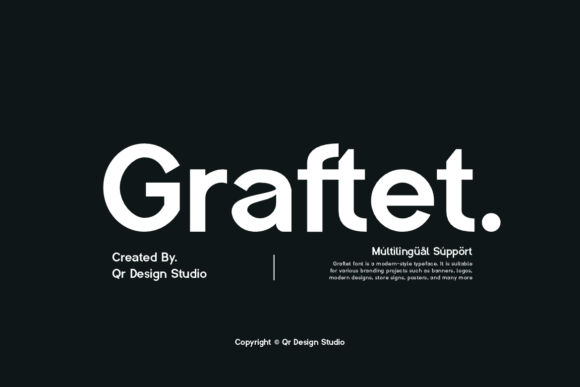
At its core, Graftet is a modern display typeface that bridges the gap between contemporary aesthetics and functional versatility. It is designed to be seen, making it ideal for headlines, logos, and branding where first impressions matter most. But what truly sets it apart is its "authentic" quality. Unlike sterile, geometric fonts, Graftet carries a subtle warmth and character that makes designs feel more human and less corporate. Whether you are a startup founder, a freelance designer, or a marketing professional, understanding how to leverage this font can significantly elevate your creative projects.
Where Graftet Shines: Real-World Applications
The true test of a typeface is how it performs in the wild. Because Graftet is distributed in both .OTF and .TTF formats, it is fully compatible with virtually any design software you are using, from Adobe Creative Cloud to Canva. This flexibility allows you to apply it across a wide variety of mediums without technical headaches.
Branding and Logo Design
For entrepreneurs and agencies, a logo needs to be memorable. Graftet excels here because of its distinct letterforms. If you are designing for a lifestyle brand, a boutique coffee shop, or a modern tech startup, Graftet offers a look that is professional yet approachable. It avoids the coldness of standard corporate fonts while maintaining the clean lines necessary for digital readability. Imagine a brand identity kit where the primary logo uses Graftet; it immediately signals that the company is forward-thinking and values quality design.
Digital Marketing and Social Media
In the fast-paced world of social media, you have milliseconds to stop a user from scrolling. This is where display fonts earn their keep. Graftet stands out beautifully in Instagram graphics, Pinterest pins, and YouTube thumbnails. Its high legibility at various sizes makes it perfect for bold statements and calls to action. For digital marketers, using Graftet for headers in email newsletters or landing pages can improve click-through rates simply because the typography looks more premium and trustworthy than standard web fonts.
Product Packaging
Consider the shelf appeal. If you are developing packaging for cosmetics, artisanal foods, or apparel, the typography needs to communicate the product's value instantly. Graftet’s modern aesthetic works exceptionally well for minimalist packaging designs where the text is a central design element rather than just an informational label. It helps products look curated and high-end, which can justify a higher price point in the consumer's mind.
Serving a Global Audience
One of the most practical aspects of Graftet is its multilingual support. Design is a global language, but your text often needs to be specific. If you are working on projects for international clients or brands that operate in multiple regions, font compatibility can be a nightmare. Many display fonts fail when you try to use accented characters or specific alphabets.
Graftet solves this problem by including a comprehensive character set. This means you can create consistent branding across different markets without having to swap fonts for different languages. For translators, localization experts, and global marketing teams, this feature is not just a bonus—it is a necessity. It ensures that the brand voice remains consistent whether the copy is in English, Spanish, German, or French.
Who Benefits Most from Graftet?
While any designer can appreciate a good font, Graftet offers specific advantages to certain groups. Understanding these use cases can help you decide if it is the right tool for your kit.
- Creative Freelancers: If you build brand kits for clients, having a versatile display font like Graftet allows you to offer a fresh look that competitors aren't using. It helps you deliver a "custom" feel without the time investment of drawing letters from scratch.
- Web Designers: Modern web design relies on typography to create hierarchy. Graftet works beautifully for hero sections and H1 headers, creating a strong visual anchor that guides the user's eye down the page.
- Content Creators: Whether you are making digital assets for Etsy or designing merchandise, Graftet provides the crisp, clean look that buyers expect from professional-quality digital goods.
Practical Considerations and Best Practices
As with any tool, getting the most out of Graftet requires understanding its strengths and limitations. Here are a few practical observations to keep in mind before you start designing.
Pairing Graftet with Other Fonts
Display fonts are rarely used for long paragraphs of body text. Graftet is designed to be the star of the show, so it needs a supporting cast. Because Graftet is modern and authentic, it pairs well with clean, neutral sans-serifs for body copy (like Roboto or Open Sans) or elegant, readable serifs for a more sophisticated vibe. Avoid pairing it with other highly decorative fonts, as this will create visual clutter and reduce readability. The goal is to let Graftet handle the impact while the secondary font handles the information.
Spacing and Hierarchy
Display fonts often benefit from a little extra breathing room. When using Graftet for headlines, consider increasing the letter spacing (tracking) slightly to let the unique shapes of the letters shine through. This is especially true for logo design. Because the font is designed to be "authentic," it has character; giving it space ensures that character doesn't become overwhelming.
Context Matters
While Graftet is versatile, it has a distinct personality. It fits perfectly into modern, minimalist, or creative contexts. However, if you are designing for a very traditional industry—like law or banking—you might find that Graftet is a bit too expressive for the main brand identity. In those cases, it might be better suited for marketing campaigns or internal creative projects where you want to show a more innovative side.
The Technical Edge: OTF vs. TTF
You might notice that Graftet comes in two formats: .OTF (OpenType Font) and .TTF (TrueType Font). For most modern users, the distinction is subtle, but it is worth noting. The OTF version often includes advanced typographic features and better compression, making it ideal for professional print work and advanced design software. The TTF version ensures backward compatibility with older systems. Having both included in the package means you are covered for any workflow, whether you are designing for high-end print media or digital web applications.
Elevating Your Visual Language
Typography is one of the most powerful tools in a designer's arsenal, yet it is often overlooked in favor of imagery. Choosing a typeface like Graftet is an investment in the quality of your visual communication. It moves beyond the generic look of stock imagery and standard web fonts, offering a distinct voice that resonates with modern audiences.
Whether you are launching a new product, refreshing a website, or creating a social media campaign, the font you choose tells a story. Graftet tells a story of modernity, authenticity, and attention to detail. It is a tool built for creators who want their work to stand out in a crowded marketplace, providing the perfect blend of aesthetic appeal and practical utility. By integrating Graftet into your workflow, you are not just choosing a font; you are choosing to present your ideas with clarity and confidence.