Goldenity: The Art of Elegant Script Typography in Modern Design
Typography is more than just arranging letters on a page. It’s the voice of your design, setting the tone before a single word is read. In the world of script fonts, few manage to strike a balance between ornate beauty and practical utility quite like Goldenity. This typeface isn't just a collection of glyphs; it is a statement of sophistication. When you look at the sweeping curves and the intricate ligatures of Goldenity, you immediately understand why it has become a favorite for projects that demand a personal, high-end touch.
The Anatomy of Elegance
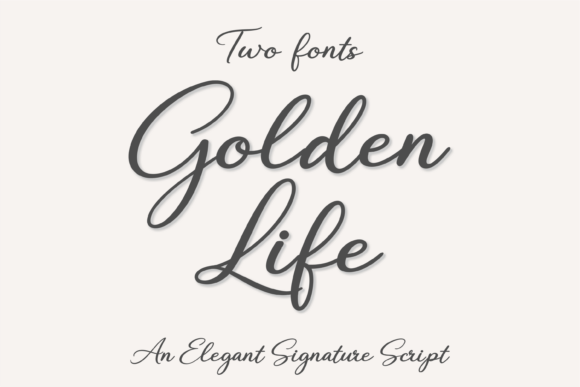
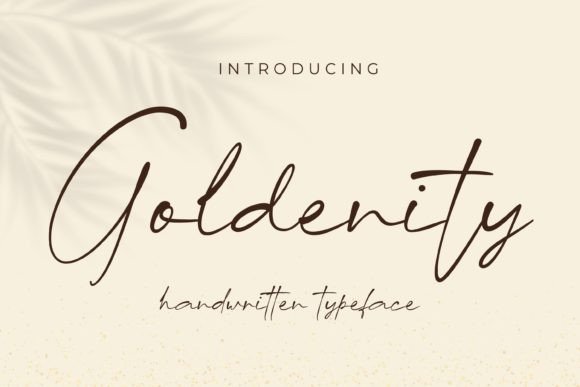
What exactly makes a script font stand out? For Goldenity, the answer lies in its details. It features a "dazzling" quality that comes from careful vector work. The strokes vary in weight, mimicking the pressure of a calligrapher’s hand holding a pointed pen. This isn't a static, robotic font. It has life.
The "graceful flourishes" mentioned in its description are not just random swirls. They are designed to connect letters in a way that guides the eye naturally across the word. When you use Goldenity for a logo or a headline, the letters flow into one another, creating a seamless visual experience. The "intricate details" are visible in the uppercase letters, which often feature elaborate swashes that can stand alone as decorative elements. These details captivate the eye, making the viewer pause and appreciate the craftsmanship.
The Visual Impact of Curves
Designers often talk about the psychology of shapes. Angular shapes suggest stability and aggression, while curves suggest softness, safety, and nature. Goldenity leans heavily into the power of curves. Its "delicate curves" soften the overall look of any design. This makes it particularly effective in industries where trust and beauty are paramount.
Consider the difference between a standard sans-serif font and Goldenity. A sans-serif font communicates efficiency and modernity. Goldenity, however, communicates emotion. It whispers luxury. It shouts celebration. This emotional resonance is why it has become synonymous with "timeless appeal." Trends in design come and go—grunge, flat design, brutalism—but the elegance of a well-crafted script font never truly goes out of style.
Practical Applications: Where Goldenity Shines
While it is easy to admire a font aesthetically, the true test is how it performs in the real world. Goldenity is versatile, but it thrives in specific environments. Understanding these use cases can help you decide if it is the right tool for your next project.
Wedding Invitations and Stationery
This is perhaps the most natural habitat for a font like Goldenity. Wedding stationery requires a balance of formality and intimacy. You want the invitation to look expensive and curated, but you also want it to feel personal, as if it were written by hand.
Goldenity fits this niche perfectly. Its "graceful flourishes" mimic high-end calligraphy without the cost of hiring a professional calligrapher for every single card. It works beautifully for the names of the couple on the front of the invite. Because of its intricate nature, it is best used for display text—headers, names, and monograms—rather than the smaller body text where guests read the venue details.
Branding and Logo Design
Branding is about differentiation. In saturated markets like beauty, fashion, or boutique hospitality, a brand needs to stand out immediately. Goldenity offers a "touch of sophistication" that can elevate a brand identity from amateur to professional instantly.
Imagine a high-end bakery or a luxury jewelry line. The products are likely delicate, beautiful, and crafted with care. The typography should reflect that. Using Goldenity in a logo communicates that the brand values quality and aesthetics. However, a word of caution: legibility is key in branding. If the flourishes are too complex, the logo might become hard to read at small sizes, such as on a business card or a social media icon. It is vital to test the font at various scales.
Signage and Environmental Graphics
We often see beautiful fonts on screens, but seeing them in the physical world is a different experience. Goldenity is excellent for signage where the viewer has time to absorb the message. Think of a boutique shop window, a menu board in a café, or directional signs at a gala event.
In these scenarios, the "intricate details" of the font become a focal point. It turns functional text (like "Welcome" or "Open") into part of the decor. It adds to the atmosphere, reinforcing the theme of the space. Because of its visual weight, it is ideal for large-scale displays where the curves and swashes can be fully appreciated without clutter.
Integrating Goldenity into Modern Workflows
Design trends have shifted towards authenticity. Even in digital spaces, we crave the human touch. This is where Goldenity fits into the modern workflow. It bridges the gap between digital precision and human warmth.
Digital Content and Social Media
On platforms like Instagram or Pinterest, visual hierarchy is everything. You have a split second to catch a user's thumb as they scroll. A striking headline in Goldenity can stop the scroll. It is often used for quotes, announcement graphics, and story headers.
However, the "dazzling" nature of the script requires careful pairing. You cannot pair a complex script like Goldenity with another decorative font. The design would become chaotic. The best practice is to pair Goldenity with a clean, neutral sans-serif font. Let Goldenity do the heavy lifting for the headline, and use the sans-serif for the details. This contrast creates a dynamic layout that is easy to read and beautiful to look at.
Considerations Before You Choose
Before you commit to using Goldenity for a project, there are a few practical factors to weigh. No font is perfect for every situation, and understanding the limitations of a script font is just as important as appreciating its beauty.
- Readability: Script fonts are generally harder to read than block letters. Goldenity is no exception. Never use it for long paragraphs of text. It is designed for impact, not for reading flow. Keep it for titles, headers, and short phrases.
- Spacing: Because of the "graceful flourishes," the spacing (kerning) between letters can be tricky. In design software, you may need to manually adjust the spacing to ensure that the swashes from one letter don't crash into the body of the next letter.
- Context: Does the font match the voice of the project? Goldenity is romantic and fancy. It would look out of place on a construction company website or a tech startup pitch deck. It belongs in the world of elegance, lifestyle, and celebration.
Color and Texture
Goldenity often looks best when treated with texture or metallic effects. Because it evokes a sense of luxury, applying a gold foil texture or a rose gold gradient to the text can make the design pop. It pairs exceptionally well with dark backgrounds—deep navy, charcoal, or black—where the intricate lines can contrast sharply. Alternatively, on a textured paper background (like parchment), it creates a vintage, romantic feel.
The Timeless Appeal
Why do we keep coming back to fonts like Goldenity? It is because they represent a standard of quality. In a world of quick communication and digital shorthand, taking the time to use an elegant script feels special. It suggests that the message being conveyed is important.
Whether you are designing a wedding invitation for a client or branding a new luxury product, Goldenity offers a reliable way to inject "elegance and charm" into your work. It is a tool that respects the history of typography—nodding to the old masters of calligraphy—while serving the needs of modern, digital-first design. By using it wisely and pairing it with complementary elements, you can ensure your designs remain captivating and sophisticated.